
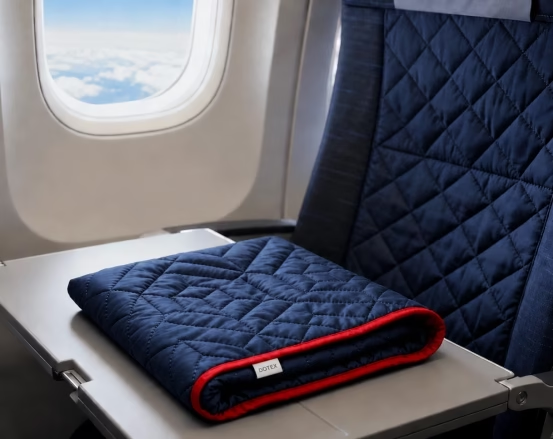
Ein Logo auf einem Flugzeugdecke Es sieht einfach aus, bis zum ersten Produktionsversuch. Auf dem Bildschirm können sowohl Prägung als auch Jacquardweberei ein sauberes Markenlogo erzeugen. Auf Stoff hängt das Ergebnis von der Florhöhe, der Garnfarbe, der Thermofixierung, dem Waschen, dem Deckengewicht und dem geplanten Recyclingweg ab.
A recycelte PET-Decke Es ist nicht automatisch einfach, das Produkt wiederzuverwerten. Ein Flicken, eine Beschichtung, ein Klebstoff oder ein inkompatibles Garn können den weiteren Lebenszyklus beeinflussen. Die Logoauswahl ist daher sowohl eine Materialentscheidung als auch eine Markenentscheidung.
Welche Anforderungen muss ein Airline-Logo auf einer rPET-Passagierdecke erfüllen?
Das Logo muss Handhabung, Falten, Waschen, Trocknen und die Nutzung in der Kabine unbeschadet überstehen, ohne Druckstellen auf der Haut der Passagiere zu verursachen. Es muss zudem bei der Serienproduktion ein einheitliches Erscheinungsbild aufweisen.
Die meisten Airline-Programme müssen Folgendes überprüfen:
- Logodefinition unter Kabinenbeleuchtung
- Aussehen nach der gewerblichen Wäsche
- Weichheit im Bereich der Markenpräsenz
- Wiederholbare Platzierung in der Massenproduktion
- Zusätzliche Materialien und Recyclingfähigkeit
- Kosten, Lieferzeit und Mindestbestellmenge
Die Prioritäten variieren je nach Kabinenklasse. In der Economy-Klasse liegt der Fokus möglicherweise auf geringem Gewicht und Waschbeständigkeit; in Premium-Kabinen kann eine hochwertigere Materialauswahl gerechtfertigt sein. Auch hier steht der Komfort meist im Vordergrund.
Wie entsteht durch Prägung ein Logo auf recycelten Polyesterdecken?
Durch die Prägung wird die Oberfläche der Decke verändert, anstatt eine separate Grafikschicht hinzuzufügen. Sie funktioniert am besten, wenn das Fleece genügend Flor hat, um einen sichtbaren Abdruck zu gewährleisten.
So funktioniert der Prägeprozess
Eine beheizte Form, Walze oder Platte presst das Logo unter kontrollierter Temperatur, kontrolliertem Druck und kontrollierter Einwirkzeit in das Vlies. Der Flor wird komprimiert oder thermisch geformt, wodurch ein Ton-in-Ton-Logo entsteht.
Das Zeitfenster für den Prozess ist eng. Zu geringer Druck führt dazu, dass das Logo nach dem Waschen verblasst. Zu viel Hitze kann Glanz hinterlassen, den Flor plattdrücken oder harte Stellen verursachen. Feine Buchstaben sind besonders empfindlich.
Für einen aussagekräftigen Test sollten mehrere Einstellungen verwendet werden. Selbst die schärfste, ungewaschene Probe erzielt nach dem Waschen möglicherweise nicht mehr die besten Ergebnisse.
Wann Prägen am besten funktioniert
Prägung eignet sich für markante Logos, schlichte Symbole und einfarbige Decken. Sie passt zu Programmen, die ein zurückhaltendes Branding anstelle einer kontrastreichen Grafik bevorzugen.
Es unterstützt auch die Gestaltung mit nur einem Material. Da das Logo ausschließlich durch die Veränderung der rPET-Oberfläche entsteht, müssen keine Transferfolie, kein Abzeichen und kein Klebstoff später entfernt werden.
Die Einschränkung liegt im Detail. Feine Konturen und komplexe Wappen können undeutlich werden. Auf kurzflorigem Stoff wirkt das Abdruckmuster möglicherweise schwach. Eine Vereinfachung des Motivs ist meist hilfreicher als die Erhöhung von Hitze oder Druck.
Wie wird das Logo beim Jacquard-Webverfahren in die Decke eingearbeitet?
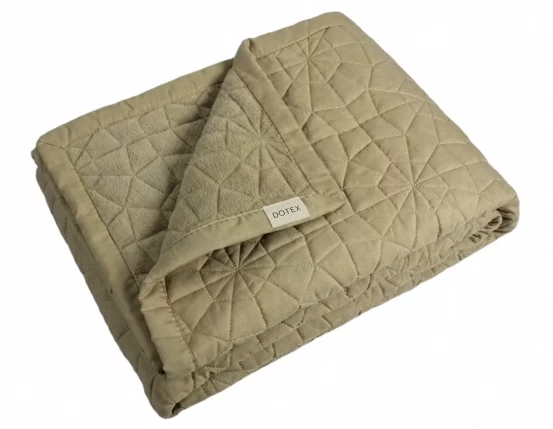
Die Jacquard-Konstruktion erzeugt das Logo durch die Garnstruktur. Das Logo wird während des Strick- oder Webprozesses in den Stoff eingearbeitet und nicht nachträglich aufgebracht.
Wie die Jacquard-Konstruktion das Design erzeugt
Unterschiedliche Garnpositionen, Farben oder Stichstrukturen formen das Logo direkt in der Decke. Dies erzeugt einen stärkeren Kontrast als eine Prägung und macht große Muster besser erkennbar.
Die Technik eignet sich für sich wiederholende Motive, Airline-Initialen und zweifarbige Logos. Die Rückseite muss noch geprüft werden; dort könnten umgekehrte Farben oder Muster sichtbar sein.
Die Grafik muss normalerweise angepasst werden. Kleine Lücken werden geschlossen, Kurven werden gestuft, und ein druckfertiges Logo muss möglicherweise auf einem Textilraster neu gezeichnet werden.
Wo das Jacquard-Verfahren praktische Grenzen hat
Die Entwicklung von Jacquard-Decken umfasst die Garnauswahl, die Musterprogrammierung, die Maschineneinrichtung, die Mustererstellung und die Farbkorrektur. Sie kann auch die Decke selbst verändern. Ein dicht gewebter Logobereich kann sich schwerer anfühlen oder weniger flexibel sein.
In einem Test einer Fluggesellschaft wirkte ein großes, zentrales Logo auf dem Bildschirm ausgewogen, bildete aber im zusammengeklappten Zustand ein dichtes Rechteck. Durch eine Verkleinerung um etwa 12 % konnte das Erscheinungsbild verbessert werden, ohne dass der Wiedererkennungswert beeinträchtigt wurde.
Die Recyclingfähigkeit hängt von der gesamten Konstruktion ab. Geeignete PET- oder rPET-Garne können weiterhin für das Polyesterrecycling verwendet werden. Metallgarne, Acryleffekte, laminierte Trägermaterialien und Nicht-Polyester-Bindemittel erschweren den Materialstrom.
Geprägte Logos vs. Jacquard-Weberei: Was sind die Hauptunterschiede?
Die Entscheidung wird deutlicher, wenn visuelle und materielle Anforderungen gemeinsam betrachtet werden.
| Entscheidungsfaktor | Geprägtes Logo | Jacquard-Logo |
| Visueller Effekt | Subtil, Ton in Ton | Stärkerer Kontrast |
| Beste Kunstwerke | Markante, einfache Logos | Größere Logos und Muster |
| Zusätzliches Material | Üblicherweise minimal | Hängt von der Garnzusammensetzung ab |
| Haptik | Bei kontrollierter Anwendung ändert sich wenig. | Kann Gewicht oder Struktur verändern |
| Waschbeständigkeit | Waschvalidierung erforderlich | In den Stoff eingearbeitet |
| Farboptionen | Normalerweise einfarbig | Zwei oder mehr sind möglich. |
| Aufstellen | Einfacher | Weitere Entwicklungsarbeiten |
| Recycling | Einfacher zu handhabendes Monomaterial | Erfordert kontrollierte Garne und Ausrüstungen |
| Am besten geeignet für | Minimales Branding | Markenpräsenz mit hoher Sichtbarkeit |
Prägung eignet sich in der Regel für einfache Anforderungen: einfarbiges, weiches Fleece, schlichtes Logo. Jacquard-Muster hingegen sind ideal für hohe Sichtbarkeit. Sie kommen zum Einsatz, wenn das Muster Kontrast, Größe oder einen markanteren Textilcharakter erfordert.
Welche Logo-Methode schützt die Recyclingfähigkeit am Ende ihrer Lebensdauer besser?
Prägen ist im Allgemeinen die einfachere Methode, wenn die bestehende rPET-Oberfläche ohne zusätzliche Beschichtungen, Klebstoffe oder Folien umgeformt wird. Auch Jacquard-Druck kann das Recycling unterstützen, jedoch nur, wenn der gesamte Herstellungsprozess kontrolliert wird.
Zu den wichtigsten Prüfungen gehören:
- PET- oder rPET-Garne in der Hauptstruktur
- Keine Garne mit Metallic-, Acryl- oder Dekoreffekten
- Keine permanenten Klebeflicken oder PU-Filme
- Polyesterverträgliches Nähgarn und Einfassband
- Kleine, abnehmbare Etiketten
- Farbstoffe und Ausrüstungen, die vom vorgesehenen Recyclingunternehmen akzeptiert werden
„Hergestellt aus recyceltem Polyester“ und „als Polyester recycelbar“ sind unterschiedliche Angaben. In Beschaffungsunterlagen sollten sie nicht synonym verwendet werden.
Bei DOTEX TextileEs können geprägte und Jacquard-Muster auf vergleichbaren rPET-Basis hergestellt werden, um zu zeigen, ob die Logo-Methode die Weichheit, das Gewicht, das Waschverhalten oder die Materialzusammensetzung verändert.
Wann sollten Fluggesellschaften sich für Prägung und wann für Jacquard entscheiden?
Eine visuelle Beschreibung allein genügt nicht. Die beste Methode hängt davon ab, wie die Decke verwendet, gewaschen, gefaltet, gelagert und am Ende ihrer Nutzungsdauer entsorgt wird.
Prägung wählen, wenn…
- Die Fluggesellschaft wünscht sich ein unaufdringliches, farblich abgestimmtes Logo.
- Das Logo ist schlicht und verzichtet auf Farbkontraste.
- Geringes Gewicht und Weichheit haben Priorität.
- Das Projekt zielt auf eine Monomaterialkonstruktion ab.
Wählen Sie Jacquard, wenn…
- Das Logo muss auch aus der Ferne sichtbar bleiben.
- Das Design verwendet Muster oder mehrere Farben.
- Eine längere Probenahmephase ist akzeptabel.
- Die Garnzusammensetzung kann klar dokumentiert werden.
Keine der beiden Methoden sollte anhand einer Darstellung ausgewählt werden. Stoffproben, gefaltete Proben und gewaschene Proben erzählen oft unterschiedliche Geschichten.
Was sollten Käufer testen, bevor sie die Massenproduktion freigeben?
Die Massenfreigabe sollte das Logo, die Deckenkonstruktion und den Entsorgungsplan umfassen. Ein versiegeltes Muster ohne Prüfprotokoll ist nicht ausreichend.
Überprüfen:
- Logodefinition vor und nach vereinbarten Waschzyklen
- Pilling und Abrieb um das Logo herum
- Farbechtheit und Dimensionsstabilität
- Lokale Steifigkeit, Glanz oder Florabflachung
- GSM, Größe und Haptik – Konsistenz
- Zusammensetzung von Garn, Faden, Einfassung und Etiketten
- Beschichtungen, Klebstoffe oder dekorative Zusätze
- Recyclingannahme
- Platzierungstoleranz in der Massenproduktion
Zum praktischen Vergleich kann DOTEX Textile beide Versionen auf derselben rPET-Basis platzieren. Dadurch werden Unterschiede in der Faltdicke, im Trocknungsverhalten oder in der Oberflächenerholung nach dem Waschen sichtbar.
Fazit: Die Logotechnik sollte sowohl dem Branding als auch der Kreislaufwirtschaft angepasst werden.
Prägung ist in der Regel die sicherere Wahl für dezentes Branding und geringe Materialkomplexität. Jacquard eignet sich, wenn es auf Sichtbarkeit und textile Details ankommt.
Die Entscheidung sollte anhand des Musters und nicht anhand der Grafikdatei getroffen werden. Überprüfen Sie das gewaschene Logo, die Rückseite, die Materialliste und die Annahmerichtlinien des Recyclingunternehmens. Kleinste Details entscheiden darüber, ob die Decke im Polyester-Recyclingkreislauf landet.
Fordern Sie Vergleichsmuster an und eine vollständige Materialspezifikation vor Bestätigung der Großbestellung.
Häufig gestellte Fragen
F: Ist ein geprägtes Logo dauerhaft?
Es kann strapazierfähig sein, aber die Leistungsfähigkeit hängt von der Florstruktur, der Temperatur, dem Druck und dem Waschen ab. Prüfen Sie es anhand gewaschener Muster.
F: Können Jacquard-Flugzeugdecken noch recycelt werden?
Ja, sofern Garne, Fäden, Einfassungen und Ausrüstungen aus kompatiblen Polyestermaterialien bestehen. Dekorative Garne und Beschichtungen können das Recycling einschränken.
F: Welche Methode eignet sich besser für kleine Logos?
Prägung eignet sich für einfache, kleine Logos mit dicken Linien. Jacquard ist besser geeignet, wenn Farbkontraste erforderlich sind.
F: Beeinflusst die Prägung die Weichheit?
Korrekt gesteuertes Prägen bewirkt nur geringe Gesamtveränderungen. Zu viel Hitze oder Druck können eine flache oder steife Fläche erzeugen.
F: Sollten Fluggesellschaften beide Methoden testen?
Für ein neues rPET-Programm, ja. Ein direkter Vergleich auf demselben Stoffrohling ermöglicht einen klareren Vergleich von Markenauftritt, Haptik, Waschbeständigkeit und Recyclingfähigkeit.