

Chemischer Fußabdruck
Effizienz
Verantwortung
& Geruchskontrolle
Textile-to-Textile Polyester
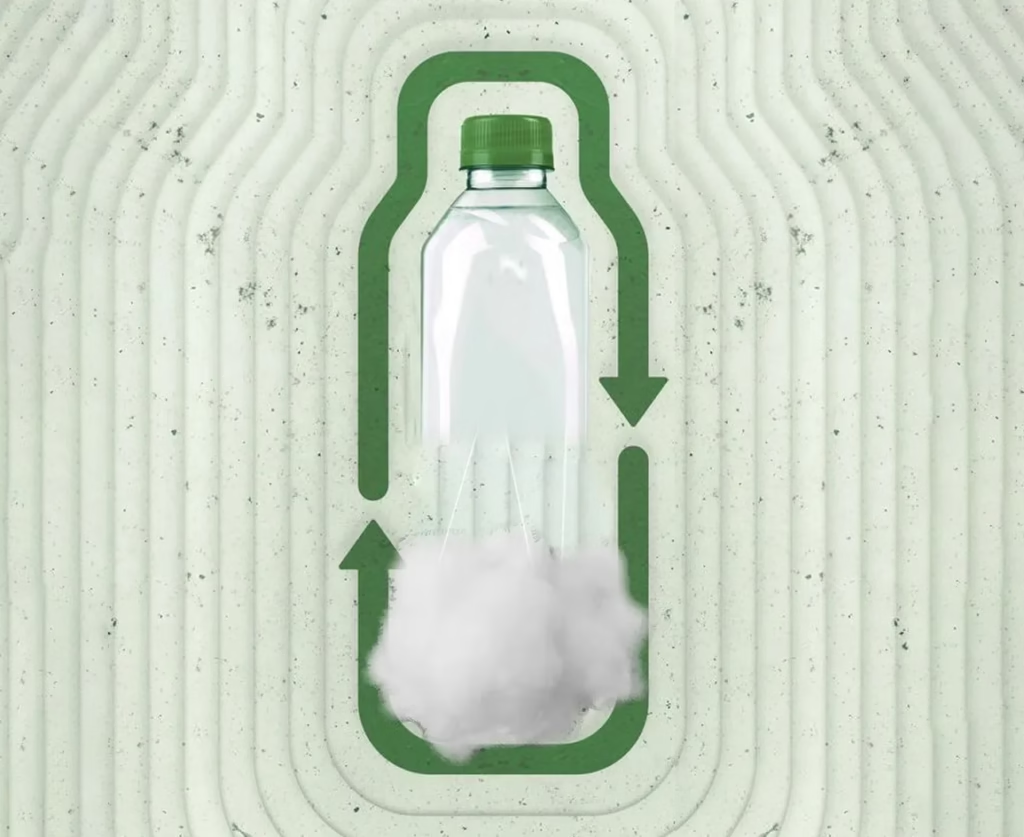
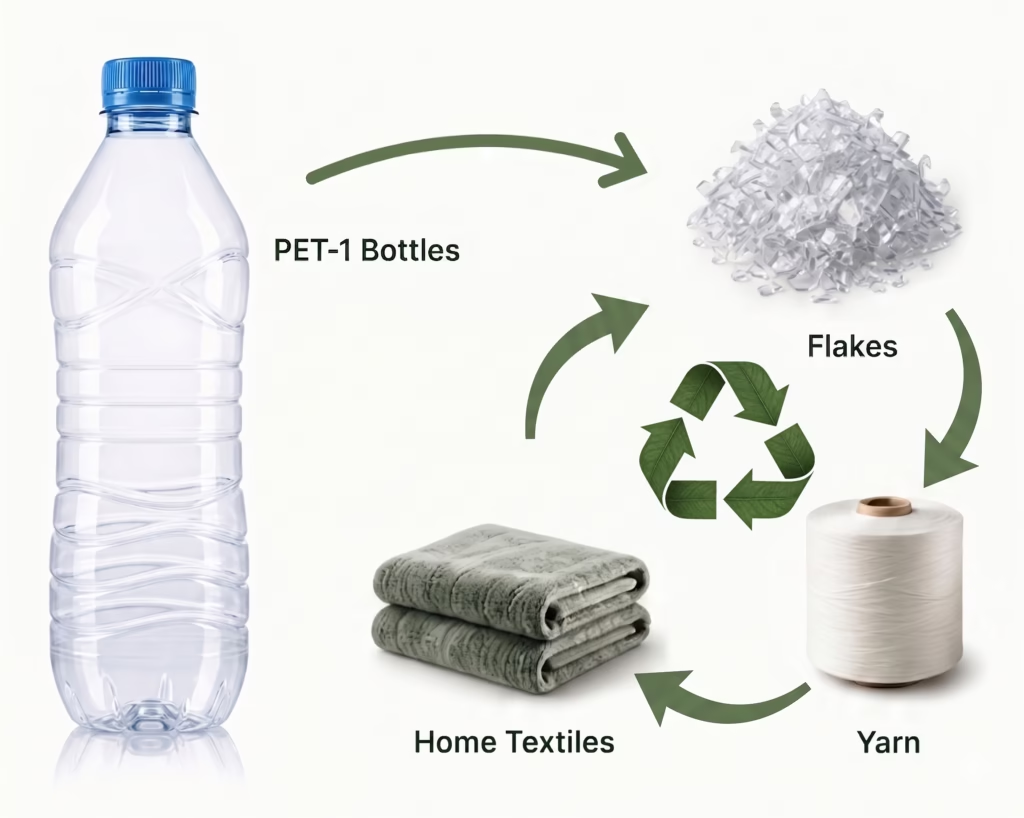
T2T is a different starting point from our existing bottle-to-textile rPET route: the input is eligible polyester textile waste, and the objective is to return that material to a new textile value chain.
What the core concept means
A T2T route does not begin with the promise that every used textile can be recycled. It begins by identifying a textile waste stream, understanding its polyester content and confirming whether a suitable recycler can accept it.
How this connects to DOTEX
DOTEX is a polyester blanket and textile-product manufacturer. Our role is to connect an eligible recycled feedstock with yarn, fabric and finished-product development. The recycling step itself depends on a qualified external recycling route; product claims depend on the documents applicable to the actual order.
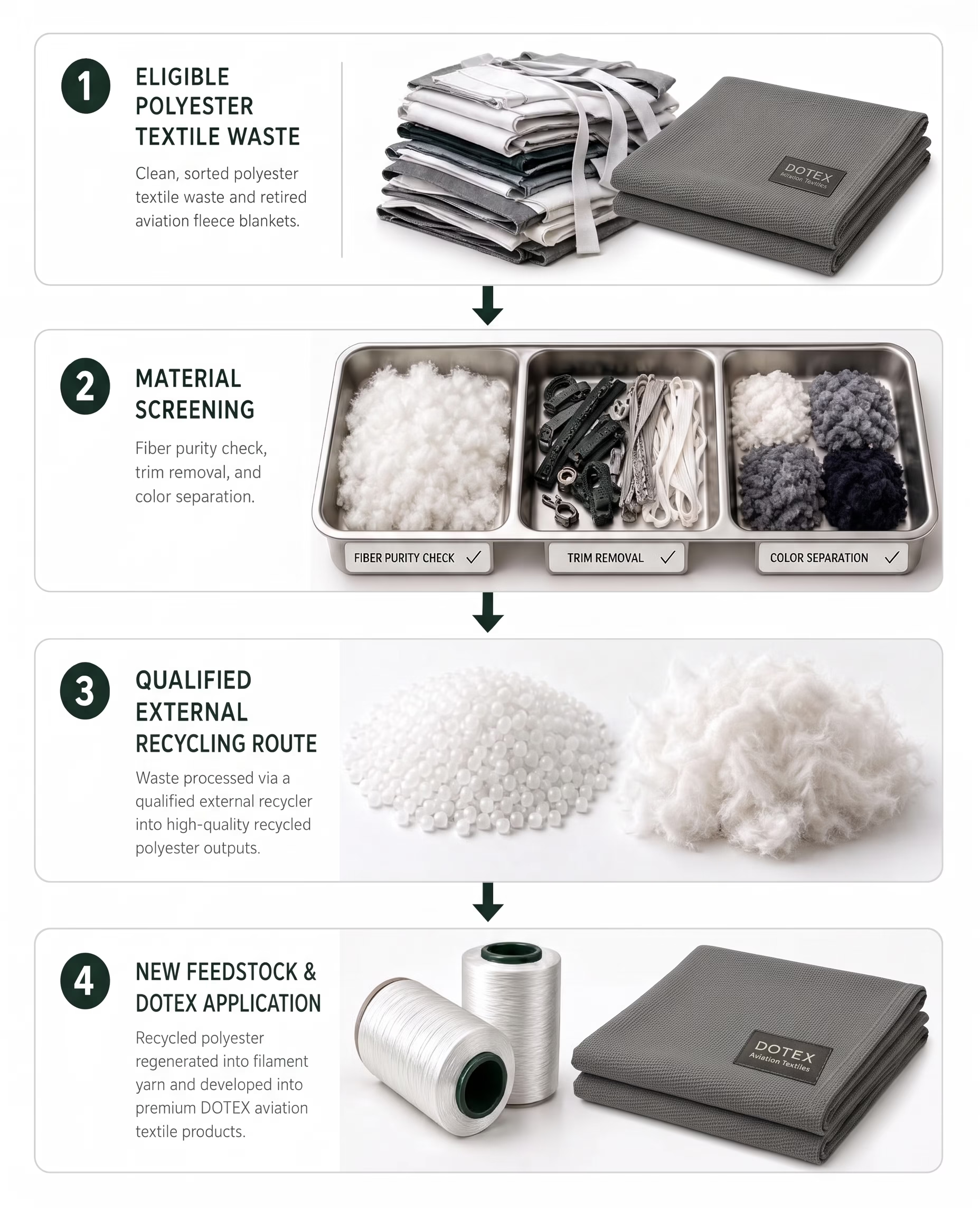
Define the waste stream
Identify where the polyester textile waste comes from and whether the supply is consistent.
Check material eligibility
Review fiber composition, blends, trims, coatings, color and contamination.
Confirm the recycler route
Verify acceptance criteria, processing route, output form and available records.
Develop a DOTEX textile
Use the approved feedstock in yarn, fabric and finished-product development for the intended use.
What must be proven in a DOTEX T2T project
These three evidence layers prevent a concept from being presented as an unsupported closed-loop claim.
T2T project responsibilities
| Stage | External recycling partner | DOTEX | Buyer / waste owner |
|---|---|---|---|
| Textile waste | Provide acceptance criteria. | Help translate product needs into material requirements. | Define waste source, composition and available volume. |
| Recycling route | Confirm process suitability and output. | Review whether the output can enter textile development. | Approve project scope and traceability requirements. |
| New textile | Provide applicable route and material records. | Develop yarn/fabric/product and arrange required testing. | Confirm intended use, specifications and acceptance criteria. |
| Public claim | Use only wording supported by the actual feedstock, route, product and order documents. | ||
Polyester Yarn with Tested Biodegradation Performance
Unlike T2T, this program is not about where recycled feedstock comes from. It is about the reported behavior of one named polyester yarn sample under a defined laboratory test.
What the report actually establishes
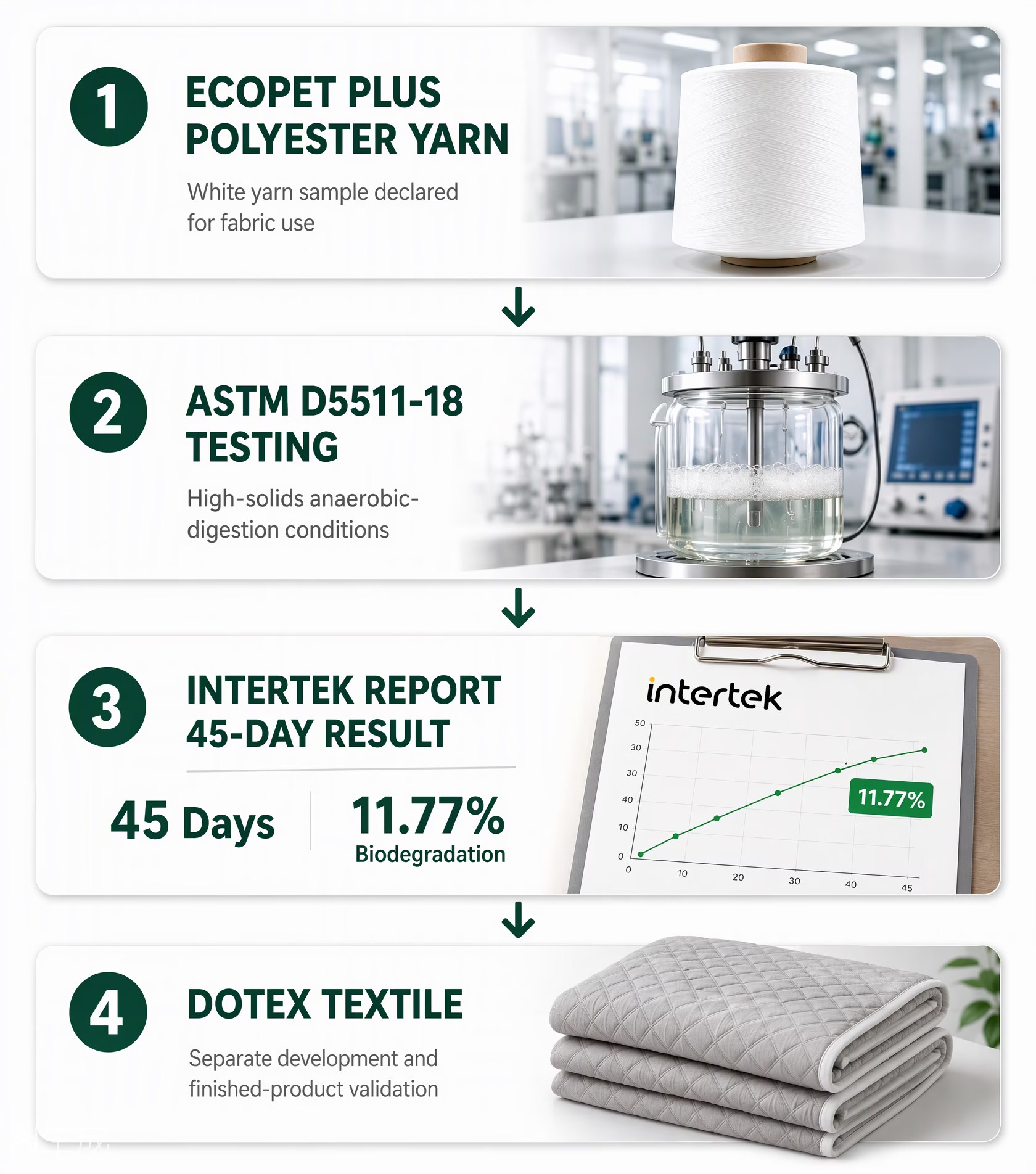
Intertek tested a white EcoPet Plus polyester yarn submitted by Shaoxing DOTEX Textile Co., Ltd. The test followed ASTM D5511-18 under high-solids anaerobic-digestion conditions.
How this connects to DOTEX
The tested yarn is declared for fabric use and the applicant named in the report is Shaoxing DOTEX Textile Co., Ltd. DOTEX can evaluate this yarn for textile development, but any blanket or finished product requires its own normal-use and product-performance validation.
What the report supports—and what still needs separate proof
| Evidence area | Supported by this report | Not established by this report | DOTEX next step |
|---|---|---|---|
| Tested material | White EcoPet Plus biodegradable polyester yarn declared for fabric use. | Other yarns, fabrics, blankets or accessories. | Confirm that the project uses the same applicable yarn identity. |
| Test environment | ASTM D5511-18 high-solids anaerobic-digestion conditions. | Compost, ocean, soil, open environment or every landfill. | Use only condition-specific wording. |
| Reported result | 11.77% biodegradation and 6.28% weight loss after 45 days. | Complete degradation, final endpoint or universal disposal benefit. | Quote the duration, method and result together. |
| Finished product | The report identifies yarn intended for fabric. | Blanket durability, wash behavior, safety or application performance. | Develop the textile and validate the final product separately. |
GLOBAL CERTIFICATIONS
& COMPLIANCE
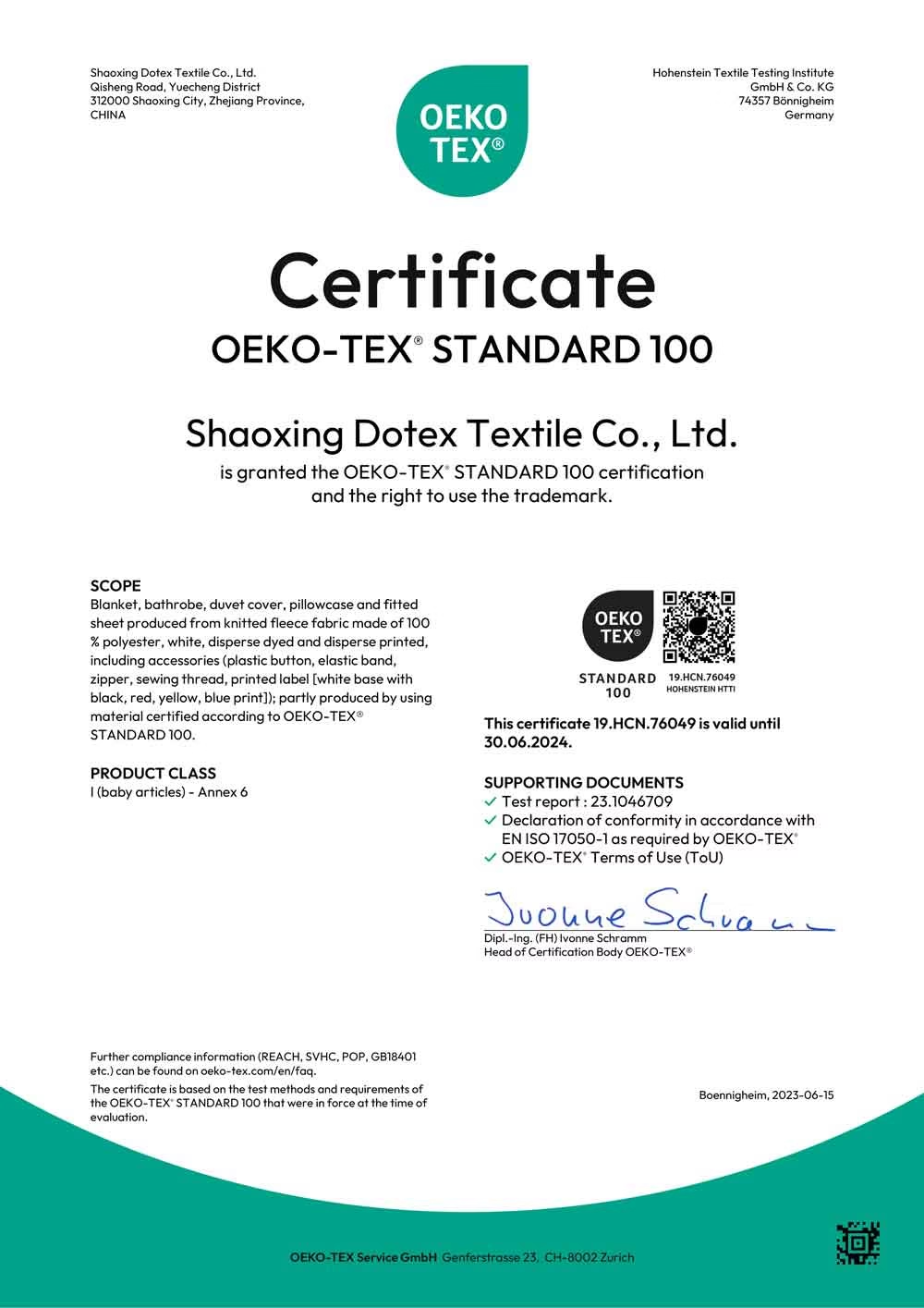
OEKO-TEX®
Standard 100 Non-toxic certified

GRS-zertifiziert
100% rückverfolgbare Lieferketten
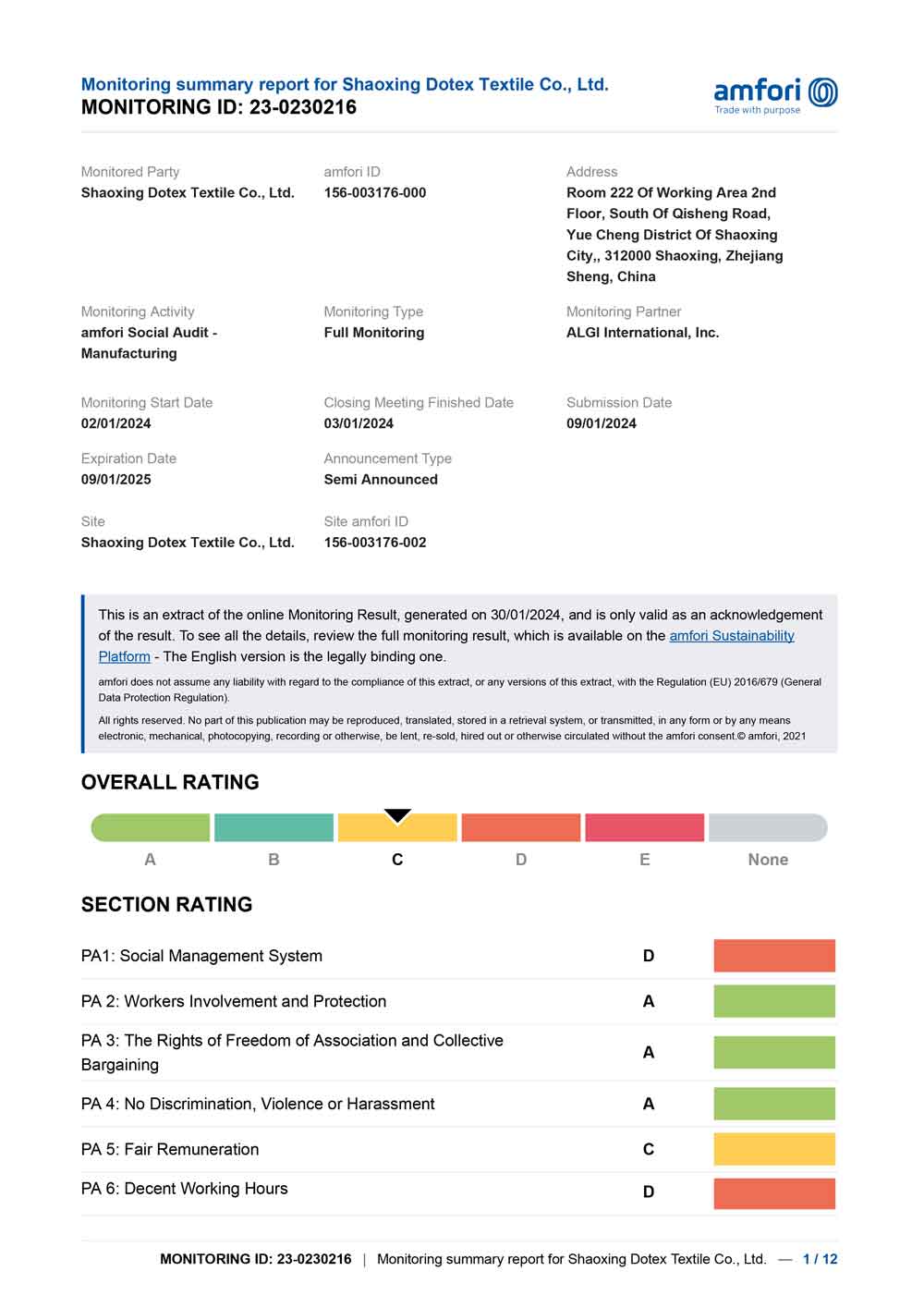
amfori (BSCI)
Social Compliance Audit (Overall Rating C)
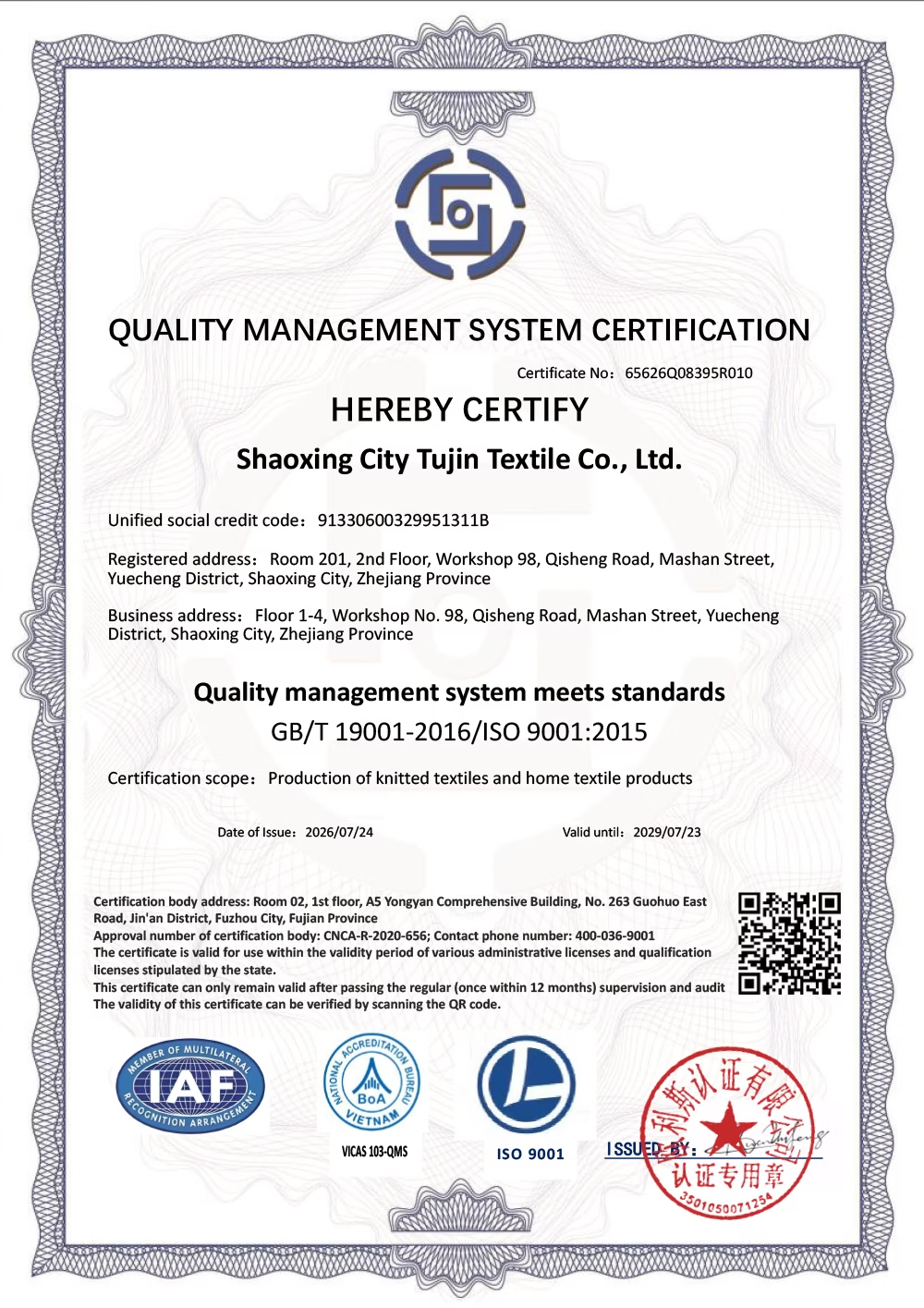
ISO 14001
Environmental Management Certified
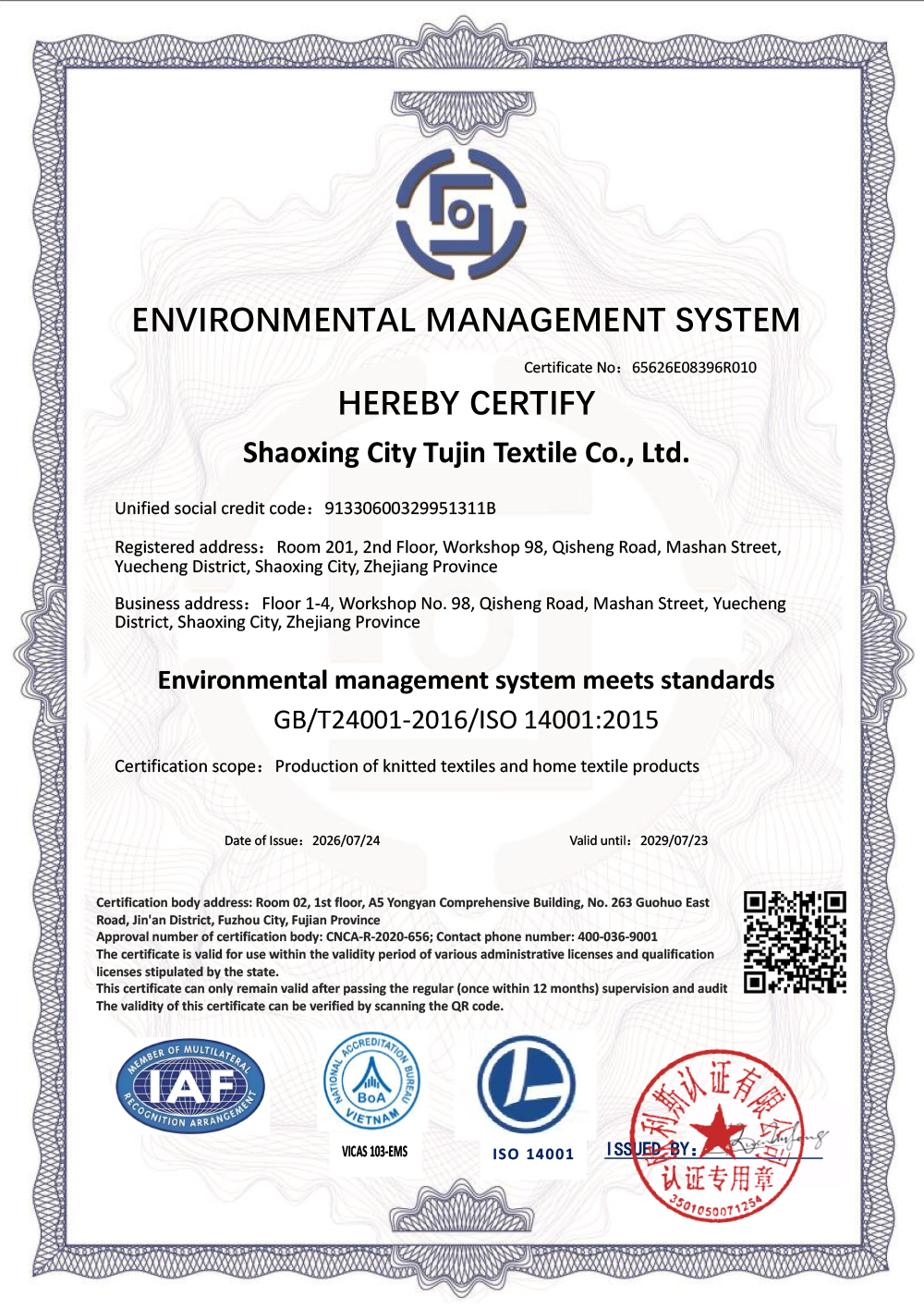
ISO 45001
Occupational Health & Safety Certified
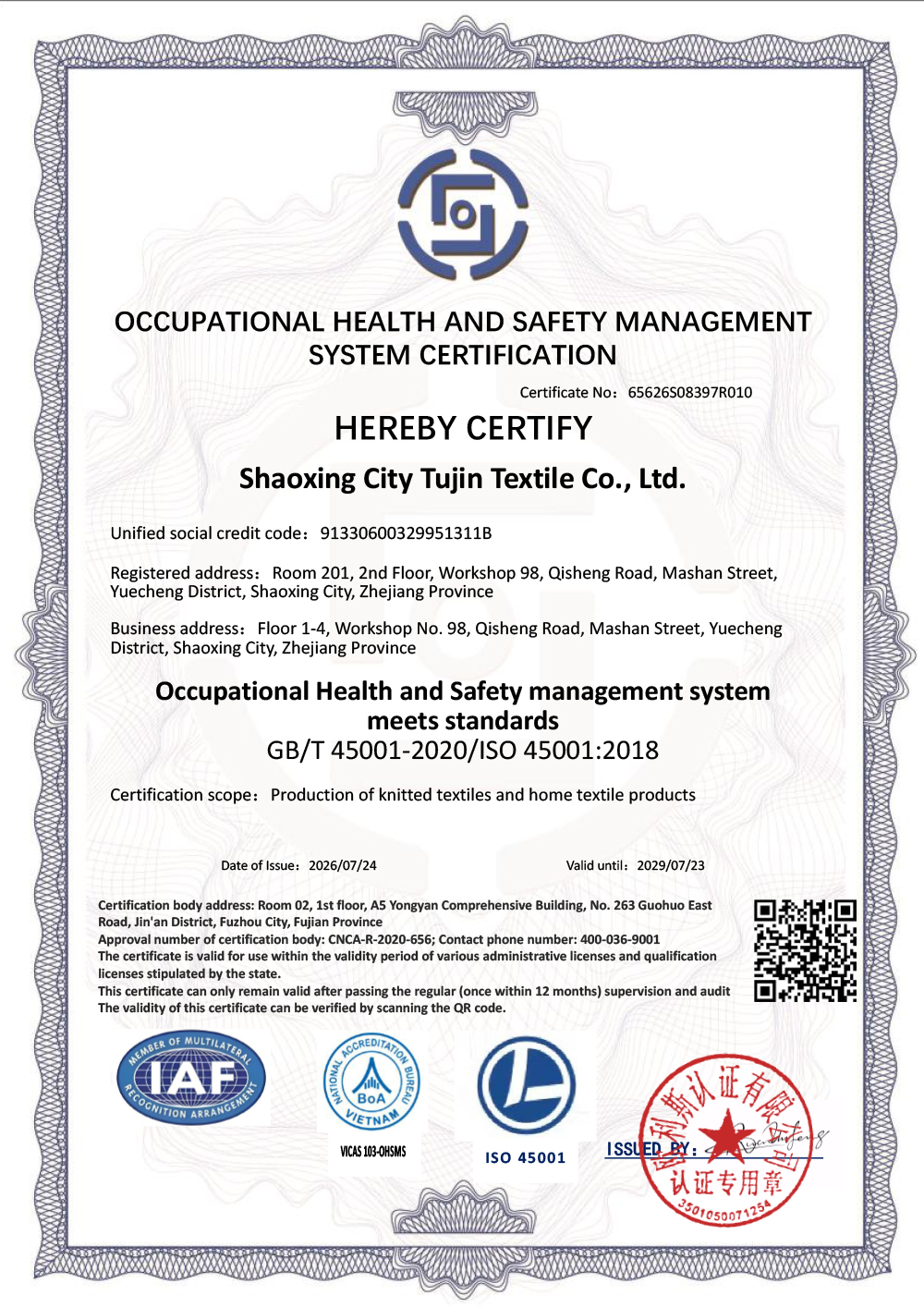
ISO 9001
Quality Management System Certified
Full Audit Traceability & Documentation on Request
Digital Scope Certificates, OEKO-TEX test reports, and amfori BSCI audit IDs available for B2B buyer verification.
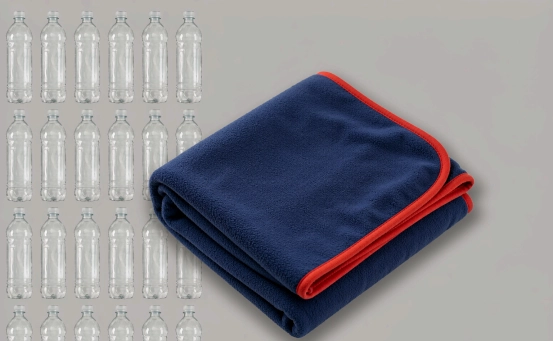
Learn what rPET fabric is, how recycled PET bottles become polyester blankets, and which material specifications and recycled-content records buyers should check.
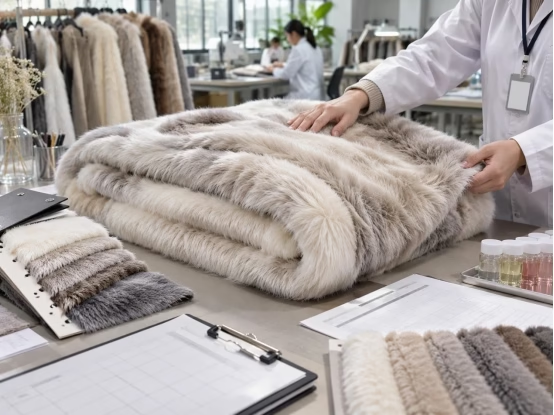
Learn which OEKO-TEX certificates, test reports and component records to request, and how to match their scope to your finished faux fur throw blanket.
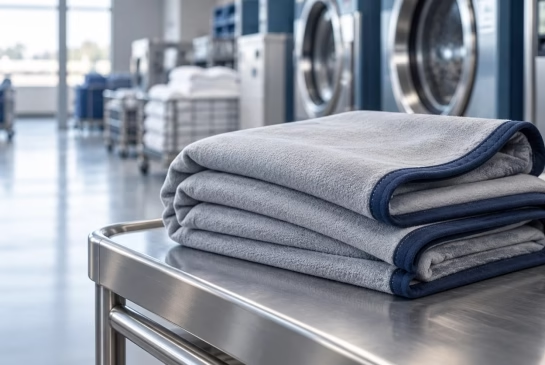
Explore permanent FR rPET airline blankets, 90°C industrial wash testing, post-wash fire performance, and the records buyers need to assess service durability.