
Before you order, check the manufacturer’s fabric and dyeing route, equipment capacity, lead times, MOQ by SKU, batch color control, product test reports, factory certifications, metal detection and defect handling. For a 40,000-piece blanket order, confirm the dye route and reserved sewing window, then verify that each carton carries the correct SKU. Use these nine checks to compare OEM blanket manufacturers and record the evidence beside each answer.
Which Fabric and Dyeing Steps Does the Manufacturer Control?
If the tour only takes in sewing and packing, you’ve seen the last part of the job. An outside dye house isn’t automatically a deal-breaker. An unnamed one is. Put a site address beside each step of the process.
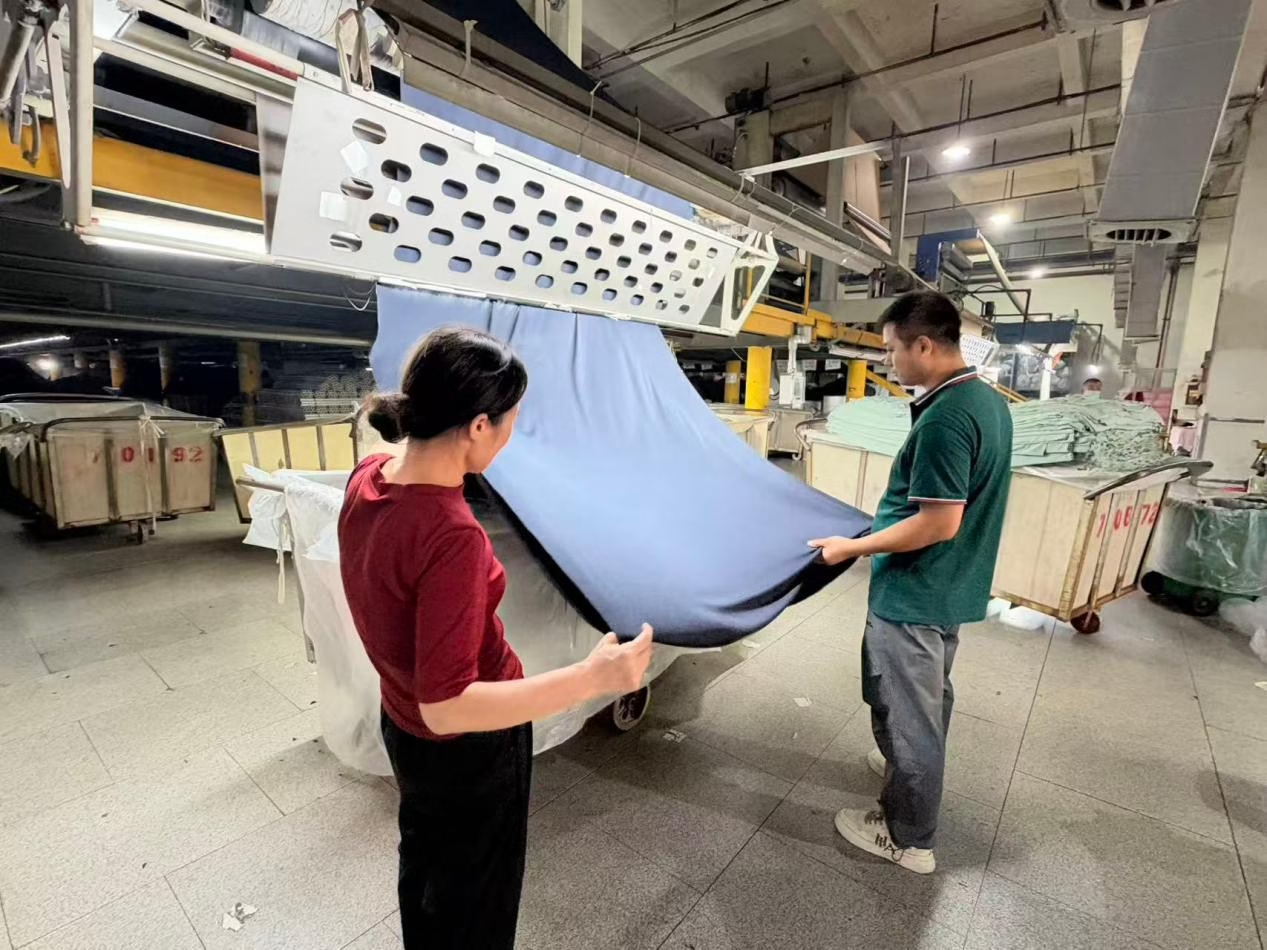
Our fabric and dye mills sit ahead of cutting and sewing in vertically integrated fleece blanket production. We have more than 20 years of manufacturing experience behind that chain. For your audit, request the mill address and batch route records for your specific fleece construction before issuing a PO. Buying a woven blanket? Trace its loom stage separately. A room full of knitting machines won’t answer that question.
Does the Equipment Support the Quoted Blanket Capacity?
Match each quoted output unit to the equipment behind it. Our chain gives you three reference points:
| Operation | Equipment or Work | Annual Reference |
|---|---|---|
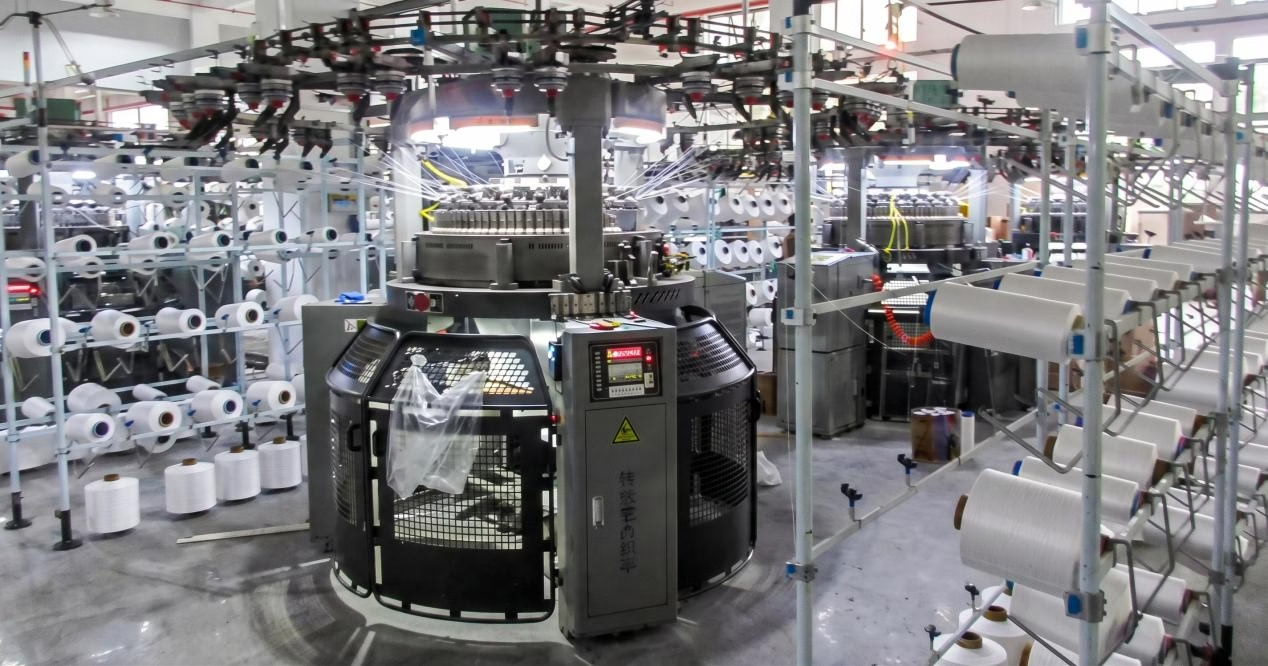
| Fabric mill | 30 weft-knitting machines | 3 million kg of greige fabric |
| Dye mill | 35 vats and 5 setting machines | 21,600 tonnes |
| Blanket production | Cutting, sewing and packing | 8 million pieces |
Our annual references are 3 million kg of greige fabric from 30 weft-knitting machines, 21,600 tonnes processed by 35 dye vats and 5 setting machines, and 8 million finished blankets from cutting, sewing and packing. We can produce up to 30,000 blankets a day. Greige kilograms, dyed tonnes and finished pieces are separate measures. For a proposed 40,000-piece sherpa run, ask the planner to show sewing days reserved for each color and leave space for a dye-lot hold.
Are Sample and Bulk Lead Times Written into the Quote?
Put a start date beside each quoted lead time.
Sample Approval
Allow 3–5 working days for a Lab Dip and 7–10 working days for a custom sample. Add your approval date; the factory clock stops while the sample waits on your desk.
Bulk Production
Our standard bulk reference is 30–60 days after sample approval and deposit. Ask for a dated first lot and available load. Inspection and dispatch need their own days. If artwork changes after sign-off, reset the schedule.
Is the MOQ Rule Clear for Every SKU?
For our stretch-plush program, a stocked fabric shade with a woven label or hangtag can start at 50–100 pieces. Custom Pantone dyeing starts at 300–500 pieces per color. Other blanket styles and printed bags may have different minimums. Put the agreed figure beside each SKU in the quote.
When comparing Construcción de forro polar y opciones de GSM, check the weight and finish against the sample. Ask whether a repeat order triggers another setup charge.
How Is Batch Color Difference Controlled?
File the signed Lab Dip with your blanket sample, agree on the viewing light and color tolerance before bulk dyeing, and keep the signed reference for comparison. A phone photo won’t resolve a borderline lot.
Bulk fabric needs another comparison after dyeing and finishing because brushing can change its appearance. Ensure the roll ID traces through cutting to the carton label. If two dye lots feed a 5,000-piece order, check where the carton record shows the split and whether the lots can be held apart if their shades clash. The Lab Dip is a reference, not a release ticket.
Which Product Test Reports Will You Receive?
“Test report available” is a reason to pause. For which blanket? Check the lab, date and specimen ID against your construction. Read the method and measured result. A cropped “pass” box gives you little to check.
Open the result table. For our stretch-plush program, ask us for washing-colorfastness results under ISO 105-C06 and pilling results under ASTM D3512. Match the specimen description to your approved sample code. If the finish changes, review that match again.
Do Blanket Manufacturer Certifications Match Your Order and Market?
On an audit visit, write the producing site’s legal name at the top of your notes. For a DOTEX Textile order, compare document holders and addresses with our manufacturing sites. Then sort the evidence by what you’re buying:
| Audit or Program | What to Check |
|---|---|
| BSCI audit and Sedex / SMETA records | Producing site, audit date and unresolved findings |
| GRS | Scope Certificate and shipment Transaction Certificate for the recycled polyester route |
| OEKO-TEX STANDARD 100 | Validity, article scope and product class |
| FSC | The claim on paper wraps, belly bands or gift boxes |
| LUCHA | Authorization records for tier-1 global brand licensing programs |
Check each document holder, producing-site address, validity date and scope against your order and destination market. Share sensitive certificate numbers on request or after an NDA, where applicable. A certificate does not show whether the latest bulk lot passed inspection.
Is Metal Detection Recorded at Product and Carton Level?
Every piece passes metal detection before bagging. The closed master carton then passes a second-gate scan, followed by 100% manual inspection before warehousing.
Ask for a log from a recent packing day and the detector test-piece check. If a carton failed, follow its units through the second scan to the release signature.
How Do You Handle Packaging Errors and Failed Lots?
Agree the pack before production and name who can hold a bad lot.
Packing Approval
A correctly sewn blanket can be rejected at the distribution center because its barcode belongs to another SKU. Freeze the artwork revision with the sample. Add the care label, pack count and shipping mark.
A Failed Lot
If a pallet fails, how will you receive the affected carton IDs? Read a closed complaint file with customer details removed. It should have a hold date, a correction and a reinspection signature. A shade mismatch needs more than a new carton.
How Should You Start an OEM Blanket Order?
Put construction and GSM beside finished size in your RFQ. Show quantity by color and SKU, and attach shade references, artwork and inspection requirements. Include the destination market and target ship date.
Ask us to return the production route, an available slot and MOQ by colorway. Date the sample and bulk milestones, and name the person who can hold a failed shipment. Send your complete RFQ specification, including construction, GSM, finished size, quantity by SKU and target ship date, with its version number for production-slot confirmation.
Preguntas frecuentes
Q: How Much Capacity Should a Blanket Factory Prove?
A factory should prove capacity for your construction and color mix within the agreed window. DOTEX Textile’s references include up to 30,000 blankets per day and 21,600 tonnes of annual dyeing and finishing capacity. Ask which week is reserved for your order.
Q: Is a Certificate Enough to Approve a Blanket Supplier?
No. Match the certificate holder, producing address, validity dates and scope to your order and market. Request separate product-inspection records for the approved construction.
Q: What Should Be Frozen Before Bulk Production?
The signed sample and specification. Revise both if shade, GSM, trim or artwork changes.
Q: Does a Lower MOQ Always Mean a Better Supplier?
Not necessarily. Price a repeat order too. Does the color or printed-bag minimum restart?
Q: What Happens If a Delivered Lot Has a Verified Defect?
Submit inspection reports and photos within 15 days of receipt. For a verified defect, we can discuss replacement in the next shipment, a credit note or a partial refund.