flame retardant recycled inflight blankets

The Technical Intersection of Recycled Materials and Aviation Safety

Sustainability is no longer a “nice to have” in the hangar; it is a core engineering requirement. The aviation industry faces a dual pressure: meeting stringent sustainability goals while adhering to non-negotiable safety mandates. It is a tough spot to be in.

On one hand, passengers and regulators want a lower carbon footprint. On the other, the Federal Aviation Administration (FAA) does not care about your recycling goals if the material burns too fast. rPET (recycled Polyethylene Terephthalate) offers a second life to post consumer plastic, yet its natural flammability poses a challenge for cabin use. In its raw state, recycled polyester is essentially fuel.

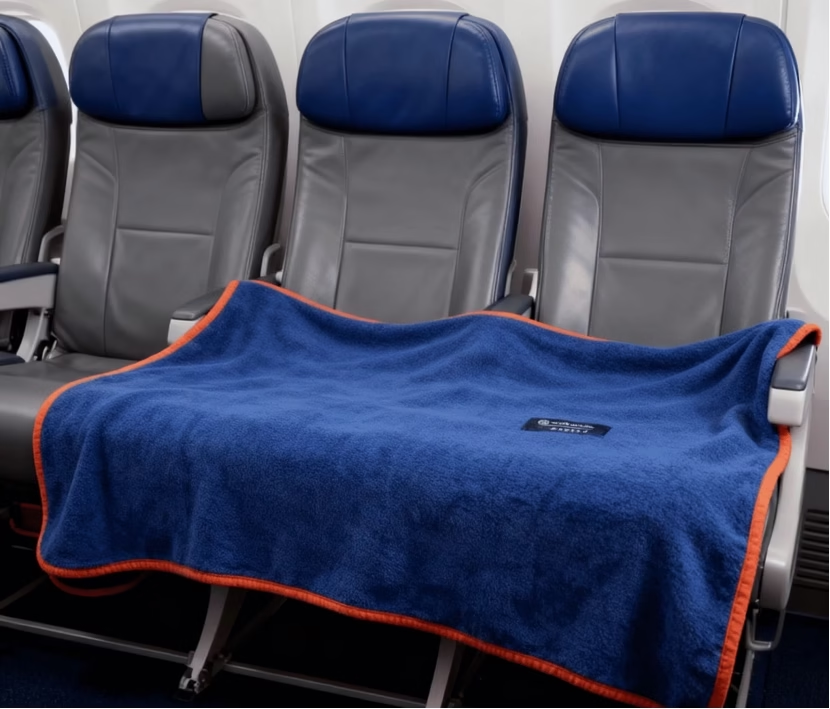
Professional manufacturing focuses on bridging the gap between circular economy principles and FAA compliance. Aviation Blanket series is a high performance textile line engineered specifically for the rigorous demands of the global airline and travel industry.

Understanding the FAR 25.853 Vertical Burn Test Requirements

To get a blanket onto a long haul flight, it has to survive the vertical burn test. This isn’t just a quick singe.

What constitutes a pass for inflight textiles?

The 12 second vertical burn test measures flame time, burn length, and drip extinction.

If the fabric continues to flame for more than 15 seconds after the burner is removed, it is out.

If the burn length exceeds 8 inches, it is out.

Inflight blankets must self extinguish quickly to prevent fire propagation within the cabin. This is critical because, in a cabin environment, fire is the absolute worst case scenario. Compliance is not just about the final product but the consistency of the textile batch. You cannot have one blanket pass and the next one fail because the recycled content varied slightly. Advanced Fire Retardancy (FR): Every aviation blanket is available with specialized Fire Retardant treatments to comply with international aviation safety regulations and fire safety standards.

Engineering Flame Retardancy at the Molecular Level

The old way of doing things—spraying a chemical on the surface—is dead. Traditional topical coatings often fail after multiple industrial washes and can stiffen the fabric hand feel.

Nobody wants a blanket that feels like a piece of cardboard.

aviation safety standards blankets

Modern rPET production involves “inherent” modification where flame retardant (FR) chips are blended during the extrusion of the recycled yarn. This is where the chemistry gets interesting. By mixing the FR agent into the molten polymer before it even becomes a fiber, the protection becomes part of the DNA of the material. This masterbatch process ensures that the FR properties are embedded within the fiber structure, maintaining permanent protection.

Fire Retardant (FR) Treatment: A critical safety process where fabrics are treated to comply with international aviation fire safety regulations. It is a much more reliable way to produce flame retardant recycled inflight blankets.

Can Sustainable Blankets Retain Premium Softness?

There is a common misconception that “recycled” plus “fire retardant” equals “scratchy.” That is simply a failure of engineering.

Balancing FR Additives with Fiber Denier

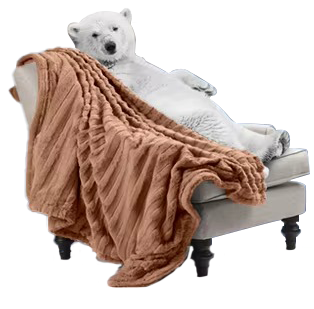
High concentrations of chemical additives can lead to brittle fibers. DOTEX Textile optimize the ratio to maintain the “cashmere like” feel passengers expect. If you put too much FR chip in the mix, the yarn snaps during knitting. It is a balancing act. Advanced brushing techniques are applied post weaving to ensure the recycled fibers provide thermal warmth without compromising safety.

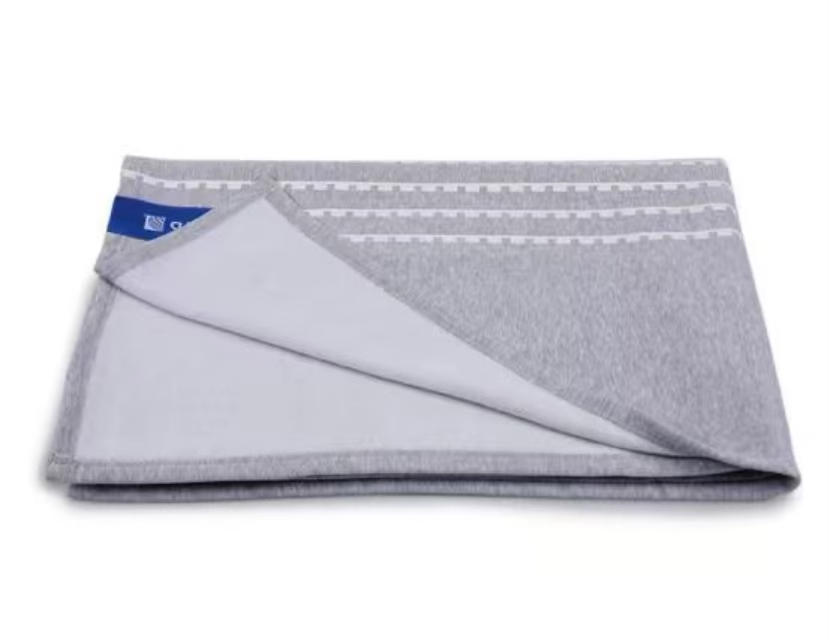
Utilizing Polar Fleece as the industry standard, our blankets offer significant heat retention without unnecessary bulk, ensuring passenger comfort while minimizing cabin weight. The result is a blanket that feels identical to virgin polyester while carrying a significantly lower carbon footprint. Engineered for high frequency use, our blankets feature an anti pilling finish that withstands repeated industrial laundering without losing softness or shedding fibers.

Why Inherent FR rPET is the Superior Choice for Procurement Officers

Procurement is about more than just the initial price tag; it is about the lifecycle. Topical treatments can leach chemicals over time, whereas inherent FR rPET is more environmentally stable and skin friendly. All materials are OEKO-TEX®スタンダード100 certified, ensuring they are free from harmful chemicals and safe for all passengers.

Longevity in industrial laundering cycles reduces the total cost of ownership for airlines. If a blanket loses its FR rating after ten washes, it is a liability. Utilizing flame retardant recycled inflight blankets contributes directly to an airline’s ESG (Environmental, Social, and Governance) reporting. Leading airlines like Emirates, Qatar Airways, and Saudi Arabian Airlines are prioritizing “Golden Suppliers” who can offer consistent quality and massive daily capacities.

Navigating Certification: From Lab to Cabin

The paperwork is just as important as the polymer. Every batch of rPET aviation blankets undergoes rigorous internal testing before third party certification. You have to prove that your aviation safety standards blankets are what you say they are. Documentation and traceability are essential for aviation safety standards blankets to ensure every pallet meets the flight ready criteria.

We maintain full BSCI, SEDEX, OEKO-TEX, and GRS 資格認定, supported by a rigorous dual stage metal detection protocol for every export. We focus on providing transparent material data sheets that simplify the auditing process for airline quality assurance teams. Utilizing AI driven technology ensures 100% dimensional precision while reducing energy consumption by 50%. It is about creating a predictable, safe, and sustainable loop.

Ready to Source Flight-Ready Sustainable Blankets?

Sustainability and aviation safety do not have to compete. With DOTEX Textile’s flame-retardant rPET airline blankets, airlines, distributors, and travel brands can meet strict FAR 25.853 requirements while supporting measurable ESG goals.

As an experienced export manufacturer and supplier of aviation, travel, and home textile blankets, DOTEX Textile provides customized solutions backed by stable production capacity, certified materials, and reliable quality control.

Contact us today to request samples, technical specifications, or a customized quotation for your next airline blanket project.

FAQ

Q: What is the difference between topical FR and inherent FR?

Topical FR is a coating applied to the surface of the finished fabric. It can wash off or wear away. Inherent FR is built into the fiber itself during the extrusion process, meaning the flame retardancy lasts for the life of the blanket.

Q: Does recycled polyester meet the same safety standards as virgin polyester?

Yes. When engineered correctly, rPET blankets meet the same FAR 25.853 vertical burn standards as virgin materials. The key is the quality of the GRS certified recycled chips and the precision of the FR masterbatch.

Q: How do these blankets handle industrial laundering?

These blankets are specifically designed for high frequency, high temperature industrial washing. Features like anti pilling finishes and inherent FR properties ensure they stay soft and safe even after dozens of cycles.

Q: Are these blankets safe for passengers with sensitive skin?

Absolutely. By using OEKO-TEX Standard 100 certified materials, the textiles are tested for harmful substances, ensuring they are hypoallergenic and skin safe for all travelers.


共有先:

最近の

メッセージ

当社の機能でお客様のニーズに合うものが見つかった場合は、お気軽にお問い合わせください。きっとお客様にとって最適な選択肢となるはずです。

今すぐお問い合わせください

今すぐお問い合わせください

メッセージを残してくれてありがとう

できるだけ早くご連絡いたします。

WhatsApp