Recycled Home Textiles
for Sustainable Future

回收标志

Our Primary Commitment

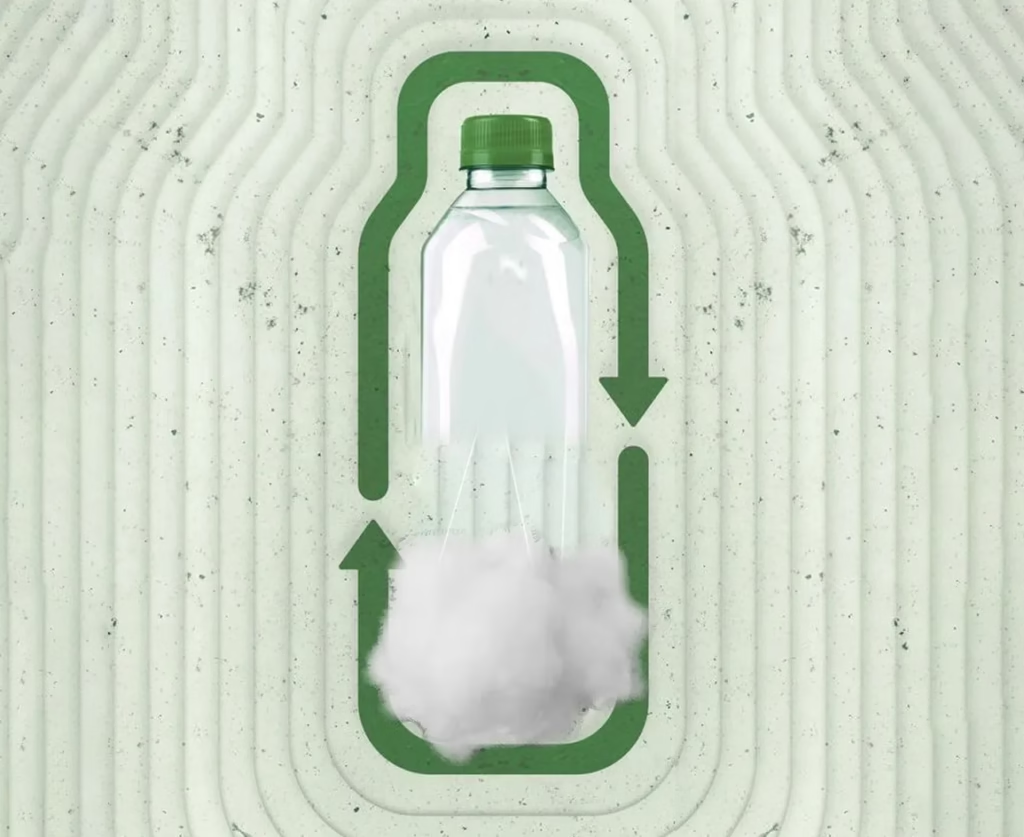
Reducing plastic waste to pioneer a circular textile future.

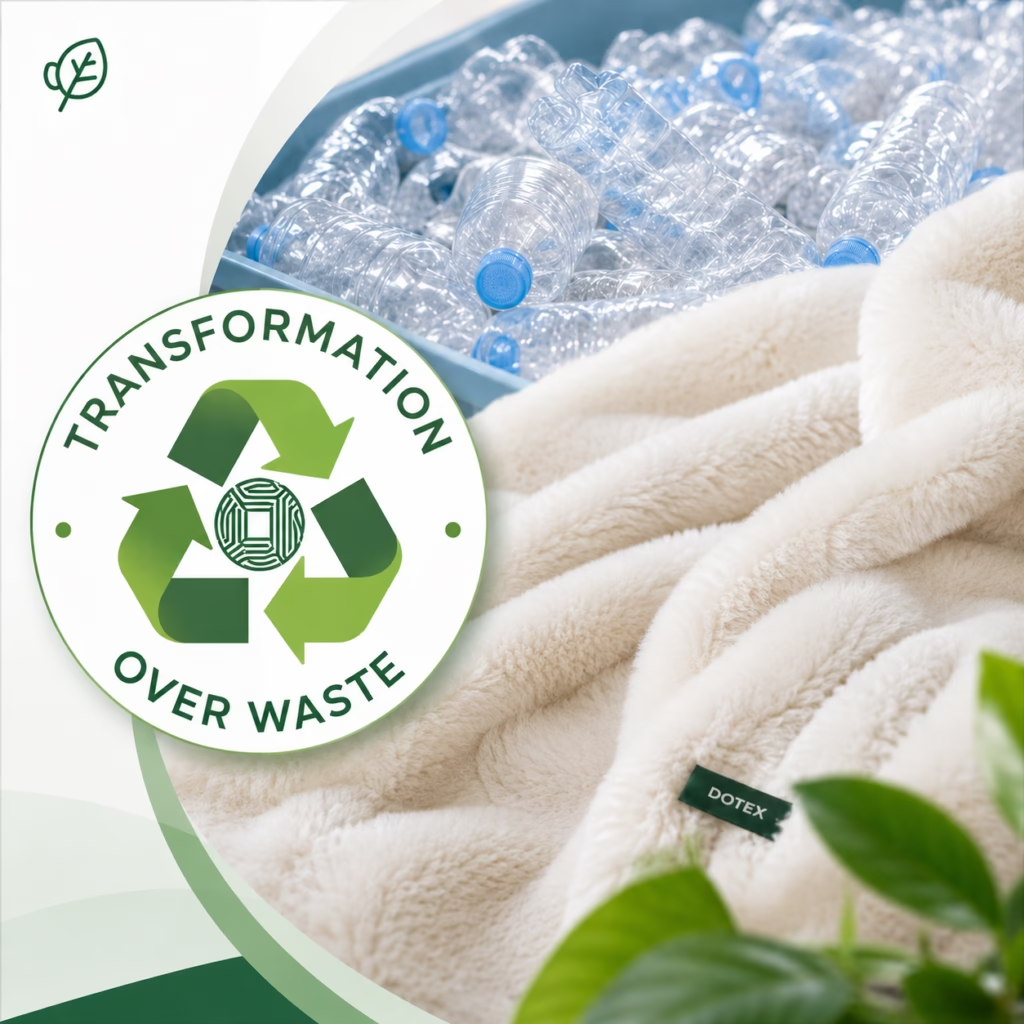
Plastic pollution is one of today’s greatest challenges, as synthetic waste takes centuries to decompose. At DOTEX, we choose transformation over waste. We challenge the traditional “take-make-waste” model by turning post-consumer plastic into high-quality, sustainable blankets and textiles.

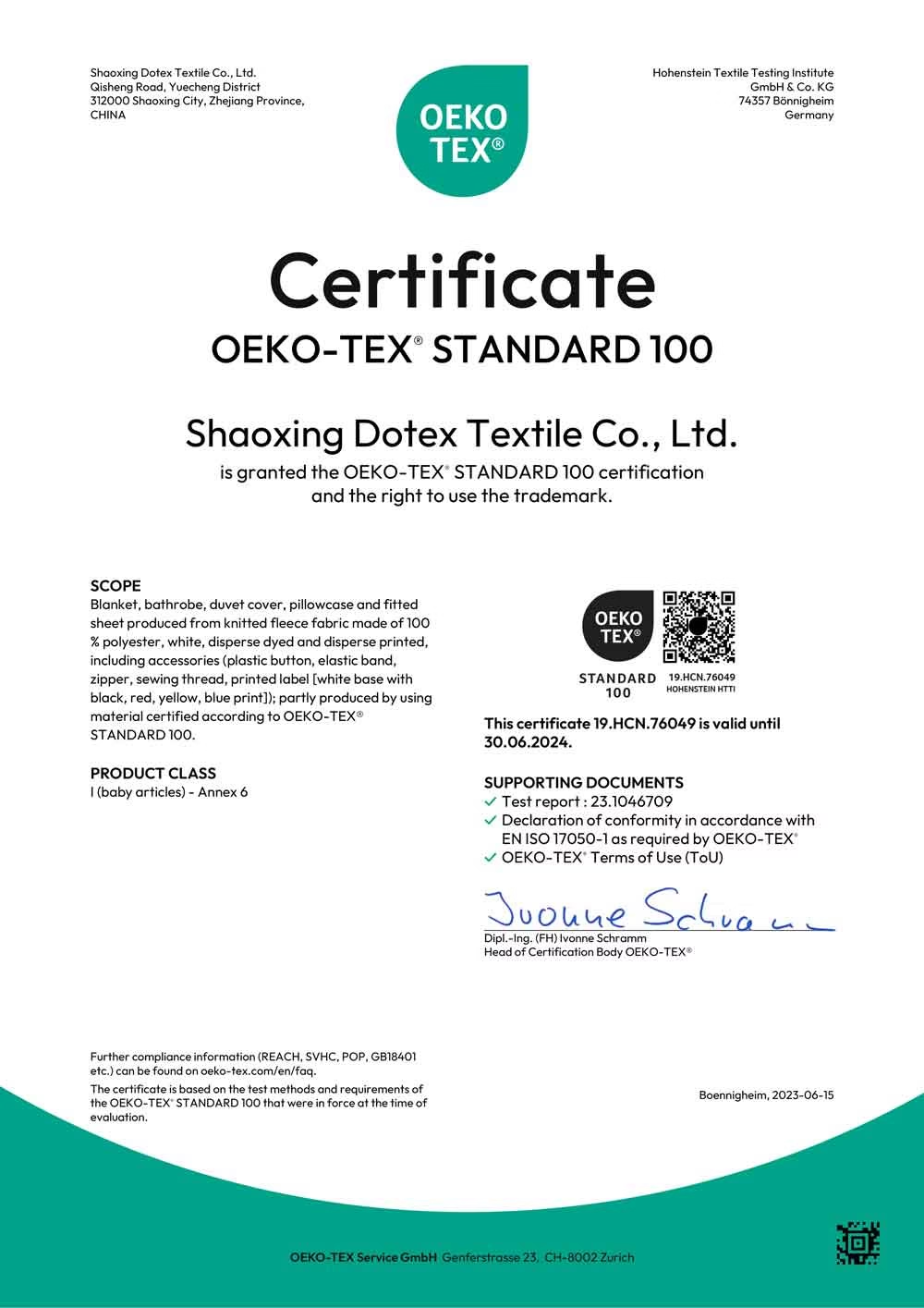
By integrating a fully traceable,GRS-certified supply chain, we guarantee our recycled polyester meets the highest global standards, including OEKO-TEX® Standard 100. We are proud to reach our sustainable milestones while empowering our global B2B partners to achieve their carbon-reduction goals with us.

Sustainability Concept1
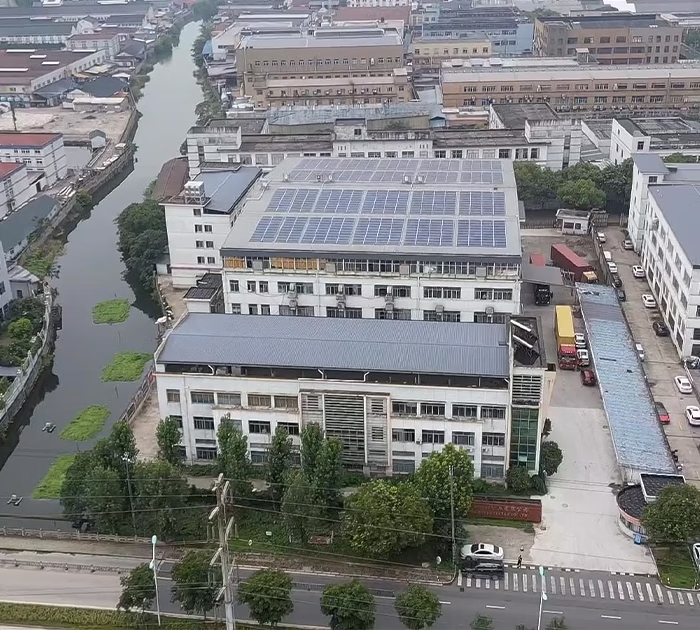
Sustainable Facility Background
Minimize
Chemical Footprint
Energy
Efficiency
Water
Stewardship
Emission Systems
& Odor Control

Driving Sustainable Production Practices

To honor our sustainability commitment, we enforce rigorous, eco-conscious practices across every stage of our manufacturing. We actively:

Minimize our chemical footprint

Optimize energy efficiency across our facilities

Champion advanced water stewardship

implement professional emission systems for comprehensive odor contro

At DOTEX

we ensure that premium blanket manufacturing goes hand in hand with environmental responsibility.

Recycled Textiles Banner

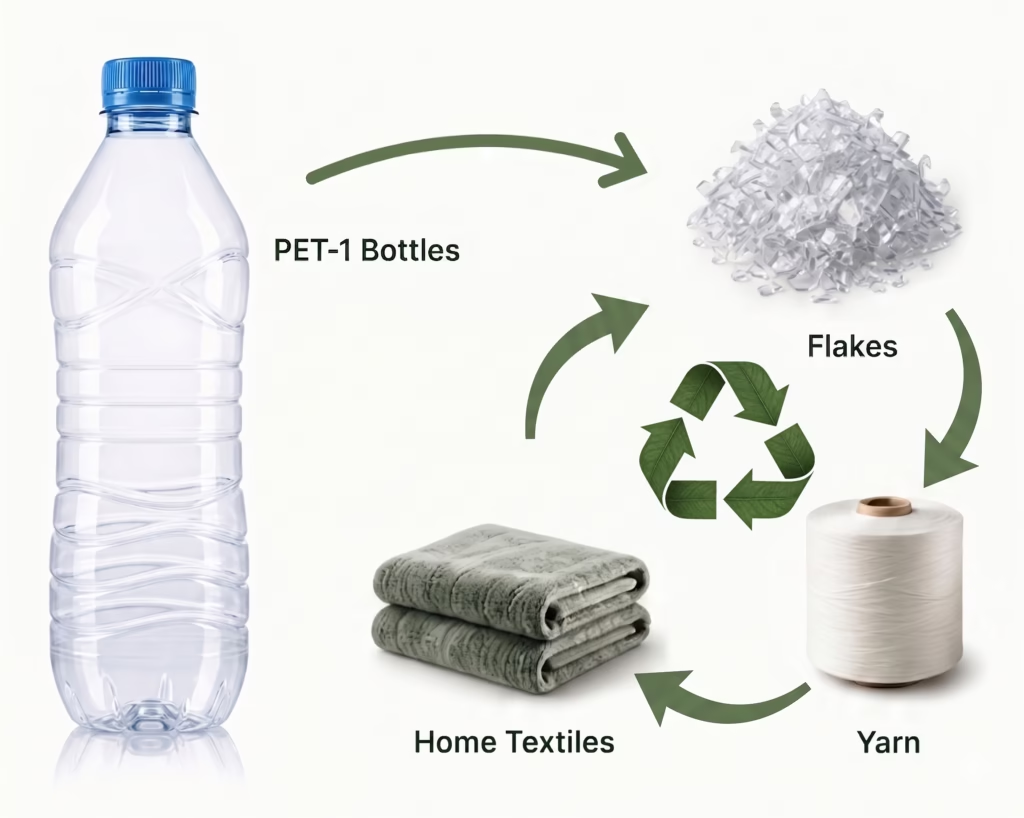
From Discarded Bottles to
Home Textiles

We seamlessly integrate circular sustainability principles directly into our product lines.
By fully harnessing the true potential of recycled polyester,

DOTEX offers high-quality blankets and home textiles crafted from premium rPET
polyester raw materials derived entirely from PET-1 plastic bottles.

Sustainability Concept3

Why Choose PET-1 Bottles?

100% Safe, Non-Toxic, &Consumer-Ready

Built on premium polyethylene terephthalate, PET-1 bottles contain absolutely no dioxins or harmful organic pollutants. This guarantees our recycled blankets are 100% safe, non-toxic, and consumer-ready.

Unlike other plastics that degrade after undergoing several cycles, PET-1 can be safely recycled an infinite number of times. This enables us to continuously transform synthetic waste into high-quality, custom textiles—without compromising their softness, strength, or durability.

Closing the Loop

Our sustainability initiative goes further by bringing post-consumer or unusable polyester blankets back into our recycling ecosystem. This dedicated take-back workflow ensures that discarded textiles are diverted from landfills and kept within the circular economy.

Through advanced processing, these blankets are transformed into premium plastic chips for future recycled blanket production. This continuous, closed-loop process allows us to minimize textile waste and deliver truly carbon-conscious solutions to global markets.

Sustainability Concept4

Repurposing
plastic wastes

Airline Soft Goods
Recycled from Bottles

Dotex aims to reduce plastic bottles in landfill and repurpose them into the finest quality recycled airline soft goods.

Learn more

Textile-to-Textile Polyester

T2T is a different starting point from our existing bottle-to-textile rPET route: the input is eligible polyester textile waste, and the objective is to return that material to a new textile value chain.

What the core concept means

A T2T route does not begin with the promise that every used textile can be recycled. It begins by identifying a textile waste stream, understanding its polyester content and confirming whether a suitable recycler can accept it.

Working definition: eligible polyester textile waste → accepted recycling route → new polyester feedstock → new textile application.

How this connects to DOTEX

DOTEX is a polyester blanket and textile-product manufacturer. Our role is to connect an eligible recycled feedstock with yarn, fabric and finished-product development. The recycling step itself depends on a qualified external recycling route; product claims depend on the documents applicable to the actual order.
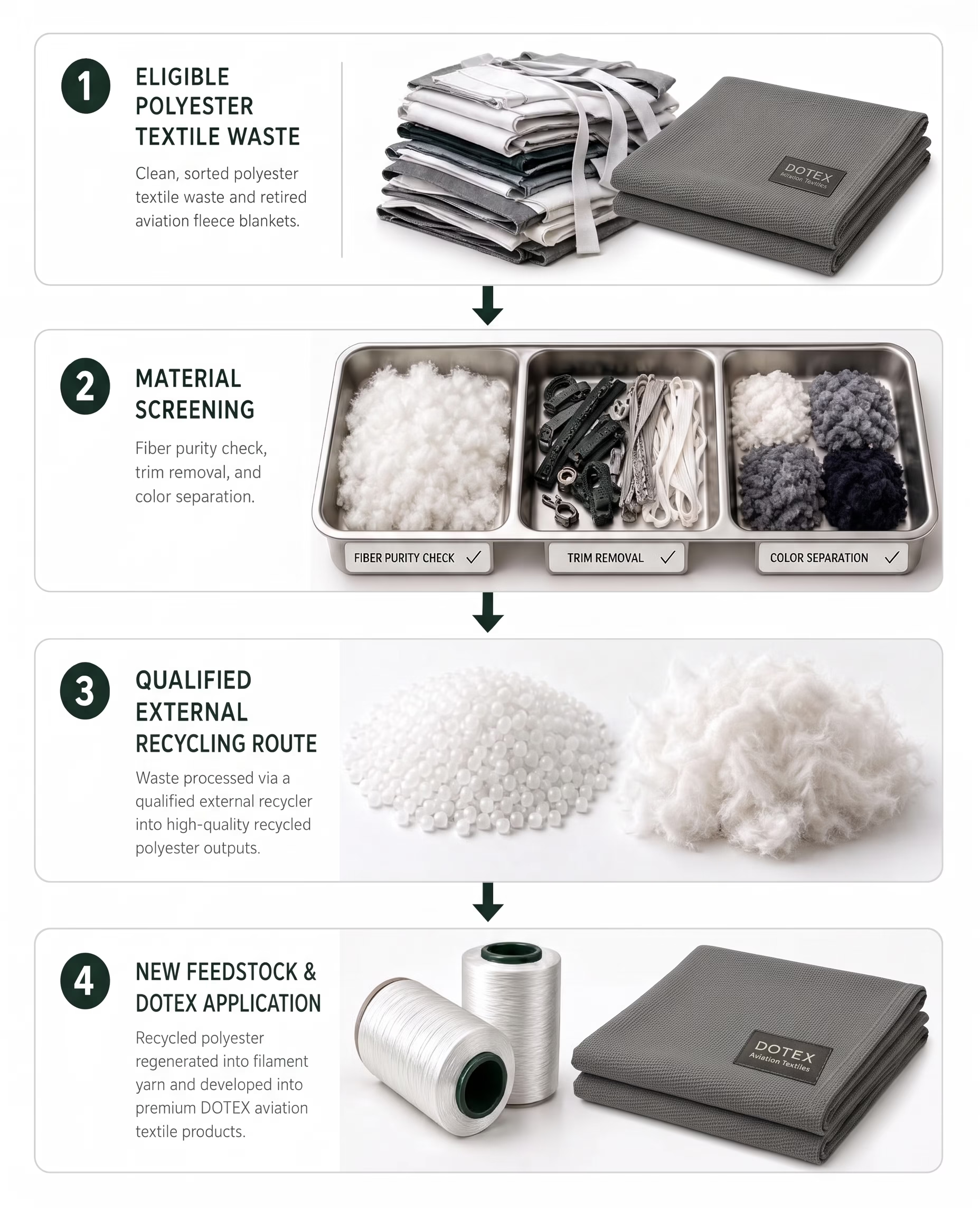
DOTEX textile-to-textile recycling process: from eligible polyester textile waste to new DOTEX textile products
01

Define the waste stream

Identify where the polyester textile waste comes from and whether the supply is consistent.

02

Check material eligibility

Review fiber composition, blends, trims, coatings, color and contamination.

03

Confirm the recycler route

Verify acceptance criteria, processing route, output form and available records.

04

Develop a DOTEX textile

Use the approved feedstock in yarn, fabric and finished-product development for the intended use.

What must be proven in a DOTEX T2T project

These three evidence layers prevent a concept from being presented as an unsupported closed-loop claim.

1 · Input evidenceTextile-waste source, composition and eligibility for the selected route.
2 · Route evidenceRecycler acceptance, process route, output and applicable traceability records.
3 · Product evidenceFinal yarn, fabric and product performance for the intended DOTEX application.

T2T project responsibilities

StageExternal recycling partnerDOTEXBuyer / waste owner
Textile wasteProvide acceptance criteria.Help translate product needs into material requirements.Define waste source, composition and available volume.
Recycling routeConfirm process suitability and output.Review whether the output can enter textile development.Approve project scope and traceability requirements.
New textileProvide applicable route and material records.Develop yarn/fabric/product and arrange required testing.Confirm intended use, specifications and acceptance criteria.
Public claimUse only wording supported by the actual feedstock, route, product and order documents.

Polyester Yarn with Tested Biodegradation Performance

Unlike T2T, this program is not about where recycled feedstock comes from. It is about the reported behavior of one named polyester yarn sample under a defined laboratory test.

What the report actually establishes

Intertek tested a white EcoPet Plus polyester yarn submitted by Shaoxing DOTEX Textile Co., Ltd. The test followed ASTM D5511-18 under high-solids anaerobic-digestion conditions.

45days of incubation
11.77%reported biodegradation
6.28%reported sample weight loss
Evidence-based wording: EcoPet Plus polyester yarn showed 11.77% biodegradation after 45 days under the ASTM D5511-18 high-solids anaerobic-digestion test conditions stated in the Intertek report.

How this connects to DOTEX

The tested yarn is declared for fabric use and the applicant named in the report is Shaoxing DOTEX Textile Co., Ltd. DOTEX can evaluate this yarn for textile development, but any blanket or finished product requires its own normal-use and product-performance validation.
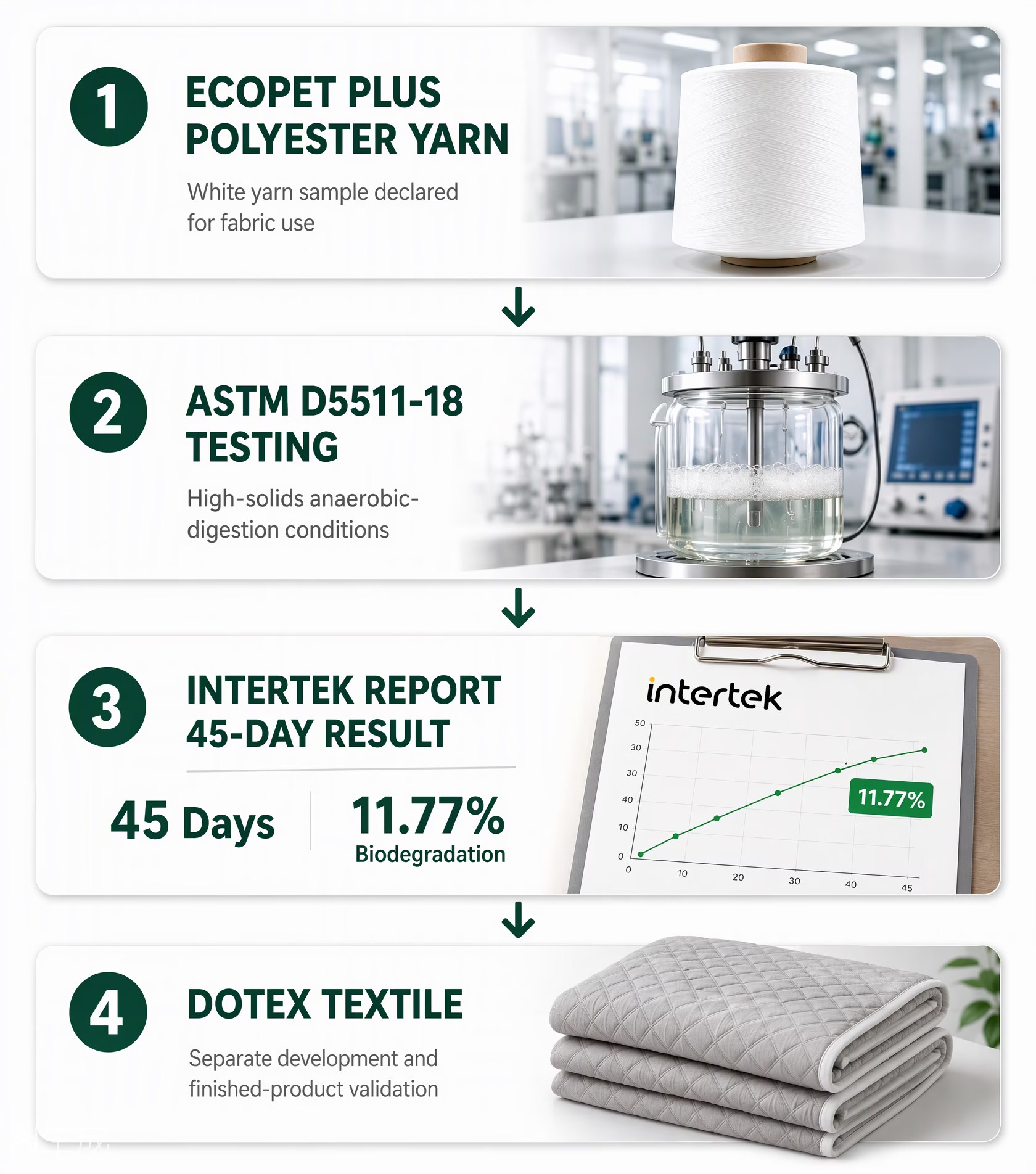
Intertek ASTM D5511 yarn test evidence pathway: EcoPet Plus polyester yarn, ASTM D5511-18 testing, 45-day result 11.77% biodegradation, DOTEX textile
Important boundary: the report covers the submitted EcoPet Plus polyester yarn under the stated high-solids anaerobic test conditions. It does not by itself prove a finished blanket, compostability, marine or soil biodegradation, ordinary landfill performance or complete biodegradation.

What the report supports—and what still needs separate proof

Evidence areaSupported by this reportNot established by this reportDOTEX next step
Tested materialWhite EcoPet Plus biodegradable polyester yarn declared for fabric use.Other yarns, fabrics, blankets or accessories.Confirm that the project uses the same applicable yarn identity.
Test environmentASTM D5511-18 high-solids anaerobic-digestion conditions.Compost, ocean, soil, open environment or every landfill.Use only condition-specific wording.
Reported result11.77% biodegradation and 6.28% weight loss after 45 days.Complete degradation, final endpoint or universal disposal benefit.Quote the duration, method and result together.
Finished productThe report identifies yarn intended for fabric.Blanket durability, wash behavior, safety or application performance.Develop the textile and validate the final product separately.

One is a circular feedstock route. The other is material test evidence.

T2T polyester

Answers a material-origin and circularity question.

  • Starts with eligible polyester textile waste
  • Depends on an accepted external recycling route
  • Connects to DOTEX through new yarn, fabric and product development

EcoPet Plus test evidence

Answers a condition-specific material-behavior question.

  • Starts with a named polyester yarn sample
  • Uses an ASTM D5511-18 anaerobic test
  • Connects to DOTEX through material evaluation and separate product validation
Global Certifications & Compliance

GLOBAL CERTIFICATIONS & COMPLIANCE

OEKO-TEX Standard 100 Certificate

OEKO-TEX®

Standard 100 Non-toxic certified

Global Recycled Standard Certificate

GRS Certified

100% Traceable supply chains
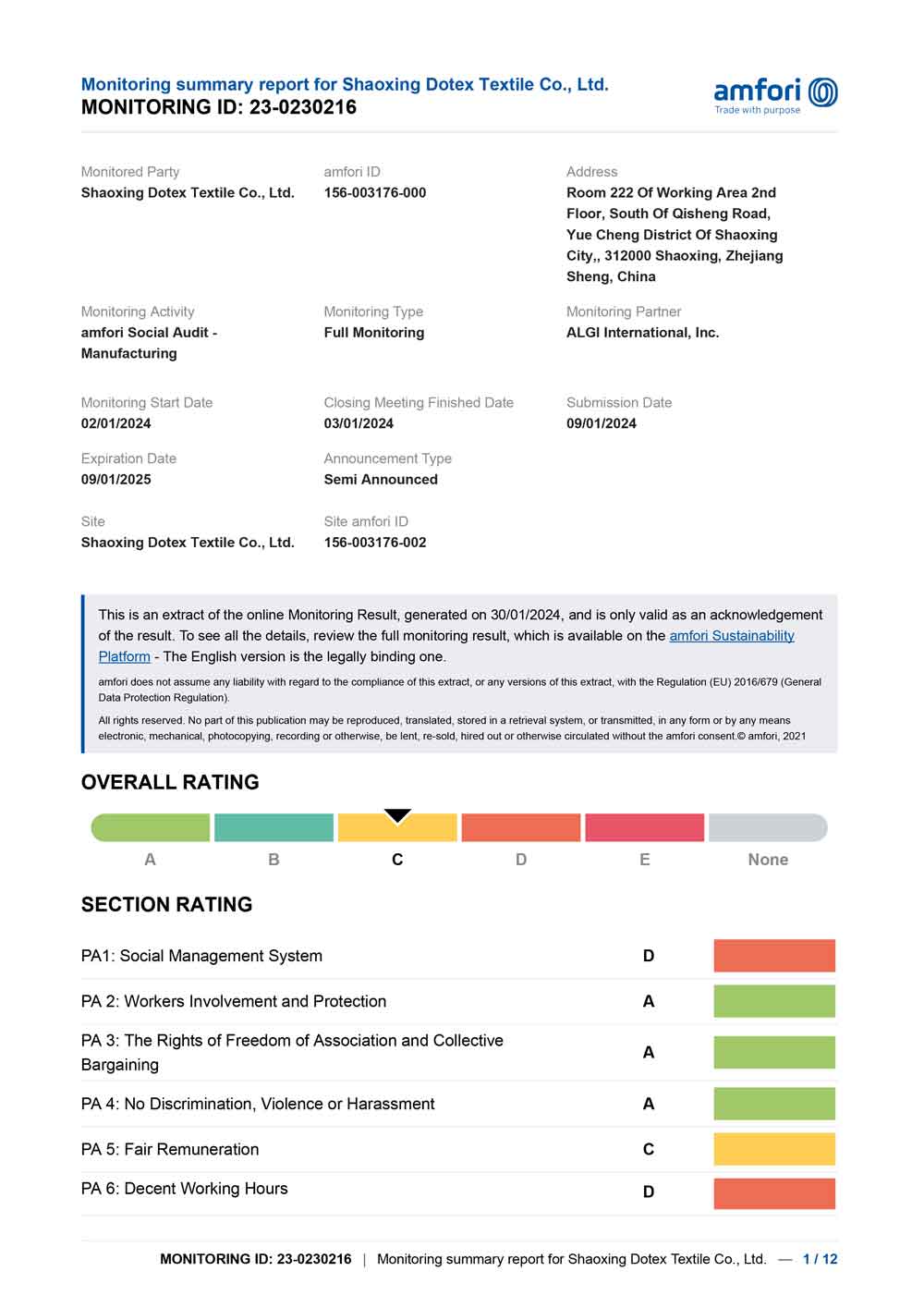
amfori BSCI Audit Report

amfori (BSCI)

Social Compliance Audit (Overall Rating C)
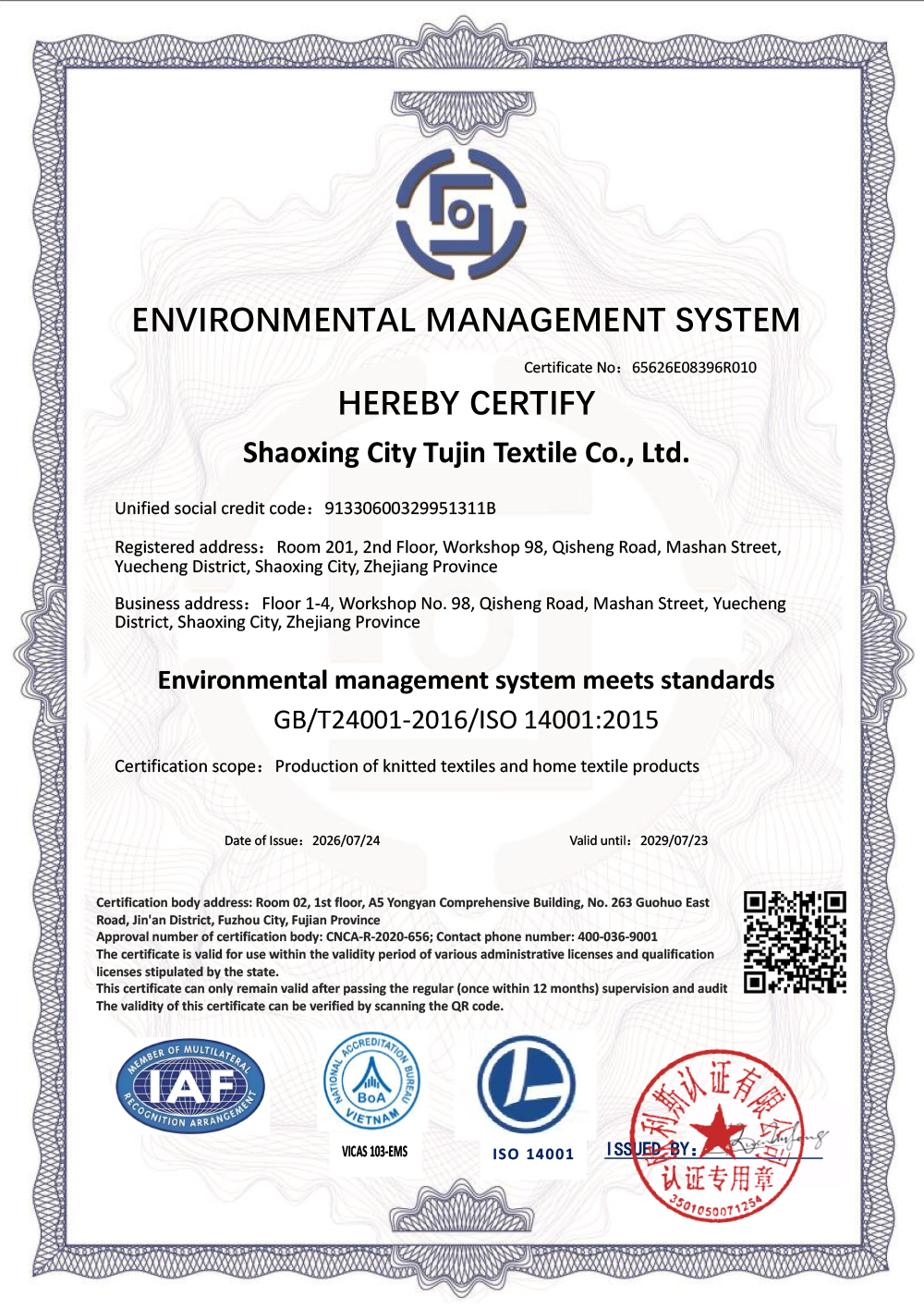
ISO 14001 Environmental Management System Certificate
ISO

ISO 14001

Environmental Management Certified
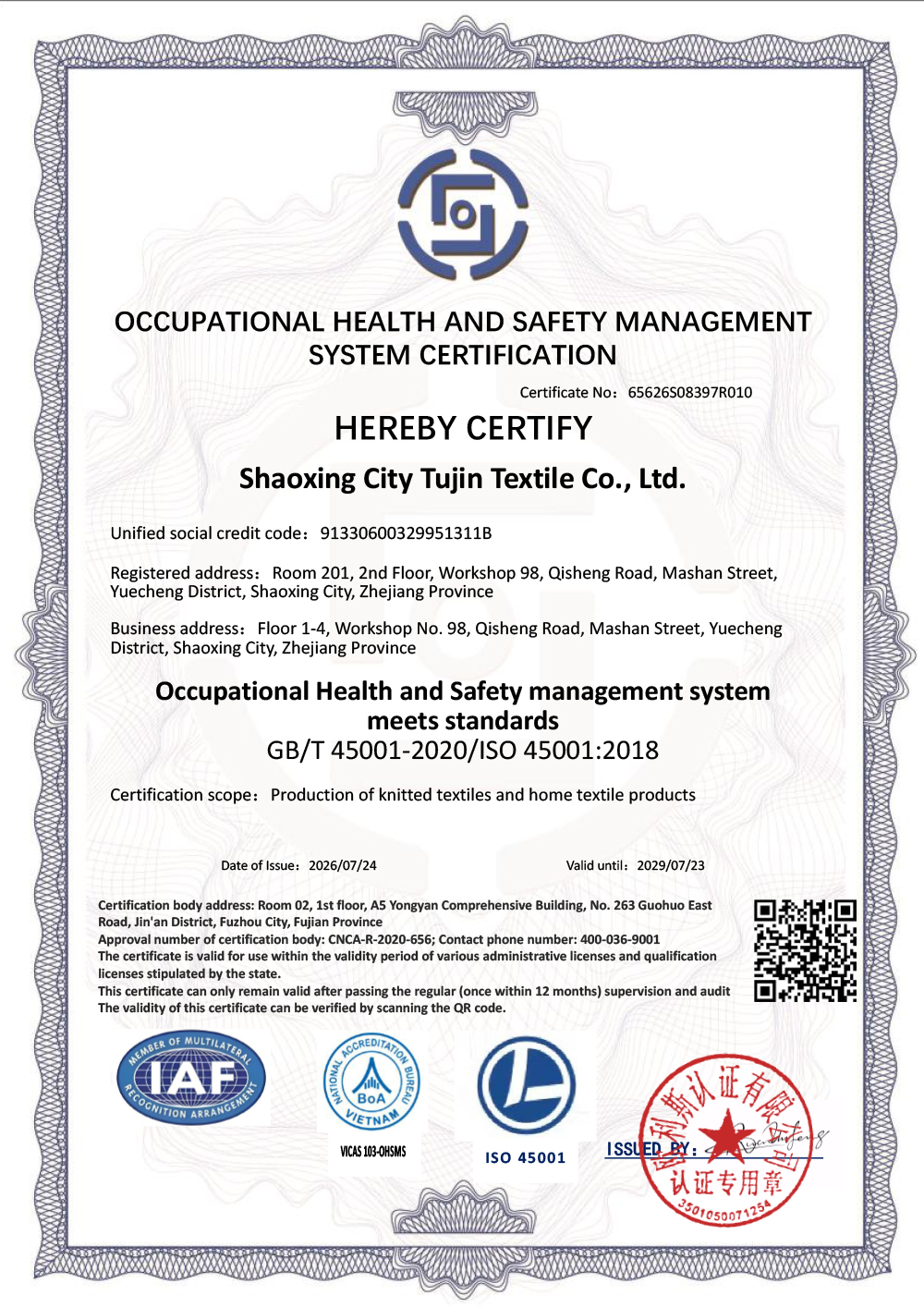
ISO 45001 Occupational Health & Safety Certificate
ISO

ISO 45001

Occupational Health & Safety Certified
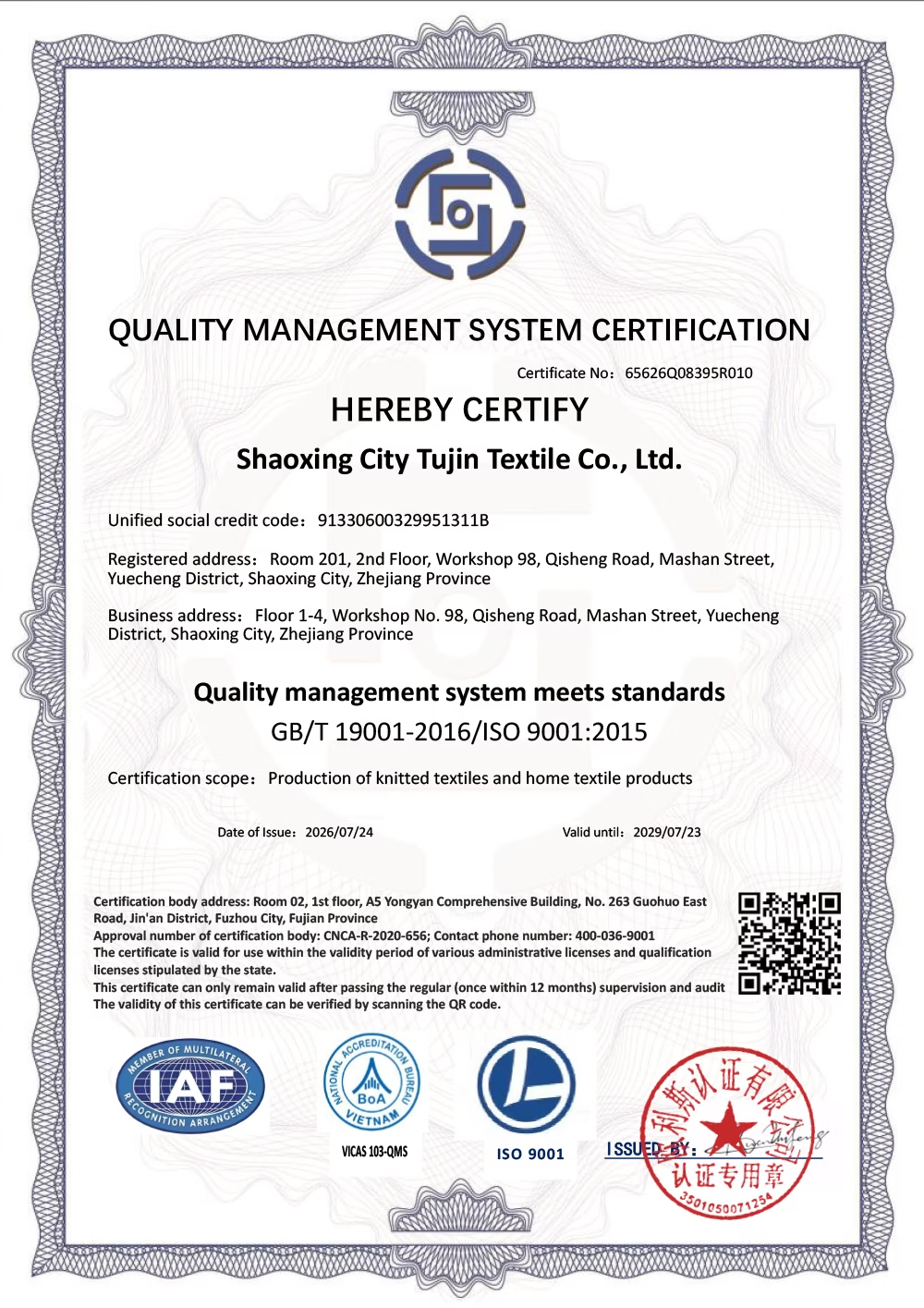
ISO 9001 Quality Management System Certificate
ISO

ISO 9001

Quality Management System Certified

Full Audit Traceability & Documentation on Request

Digital Scope Certificates, OEKO-TEX test reports, and amfori BSCI audit IDs available for B2B buyer verification.
Quantifiable Environmental Benefits

Our measurable impact on the planet compared to conventional virgin polyester production.

-75%

CO2 Emissions

-85%

Energy Consumption

-20%

Water Usage

0%

Crude Oil Consumption

Space Saved from Landfills

For every 1 ton of rPET yarn used, we save 5.7 sq.m of global landfill space.

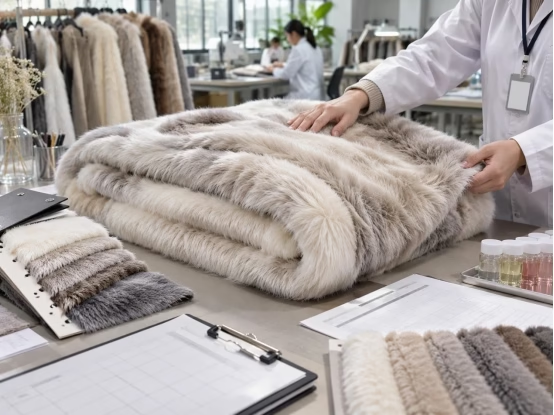
Learn which OEKO-TEX certificates, test reports and component records to request, and how to match their scope to your finished faux fur throw blanket.
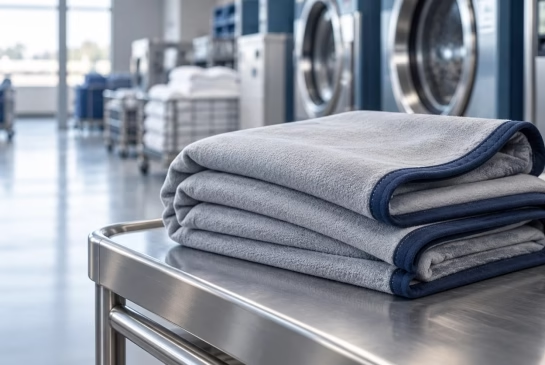
Explore permanent FR rPET airline blankets, 90°C industrial wash testing, post-wash fire performance, and the records buyers need to assess service durability.
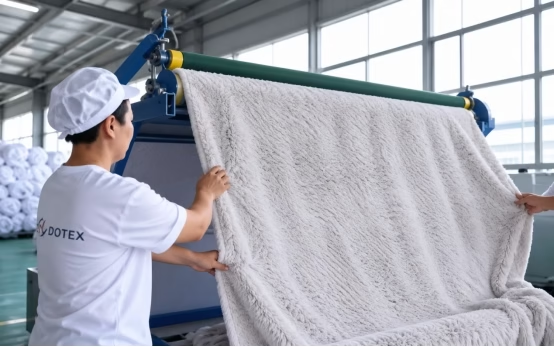
Reduce shedding in oversized faux fur throws with clear knit and pile specifications, finishing controls, repeatable fiber tests, and batch acceptance records.

Edit Content
Click on the Edit Content button to edit/add the content.

Send Your Inquiry Today

Send Your Inquiry Today

Thanks for leaving the message

We will get back to you as soon as possible

WhatsApp