
Eco-friendly ideas for airplane items are no longer just sales talk. Today, cabin goods must show real green benefits. They must also keep their clean feel and nice touch. rPET meets this need perfectly. It is soft and strong. You can track it easily from the gathered bottle to the finished cloth. Buying teams often ask a manufacturer or supplier for clear proof of reused materials. They look for important papers like the OEKO-TEX® Standard 100. This certificate makes sure the fabric is safe to touch human skin.
Why Are Airlines Turning to rPET Blankets?
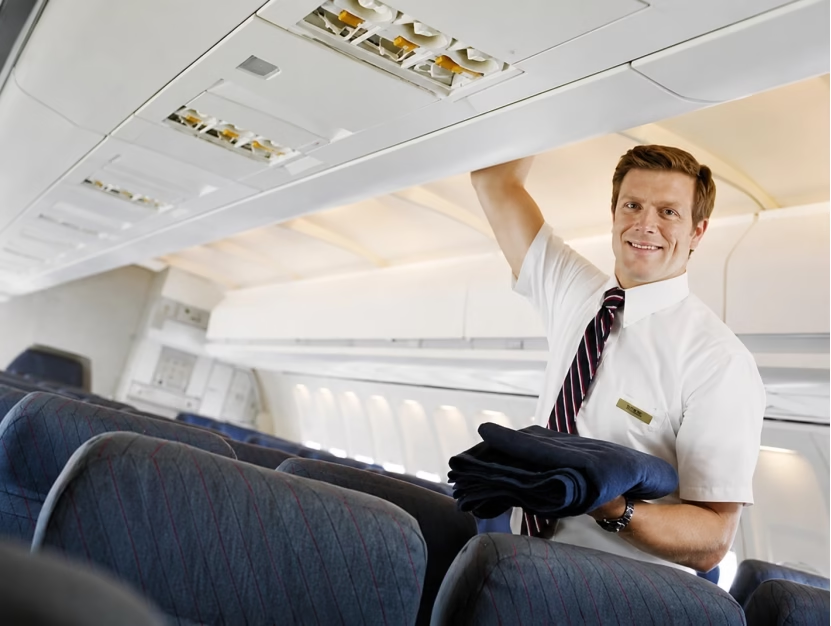
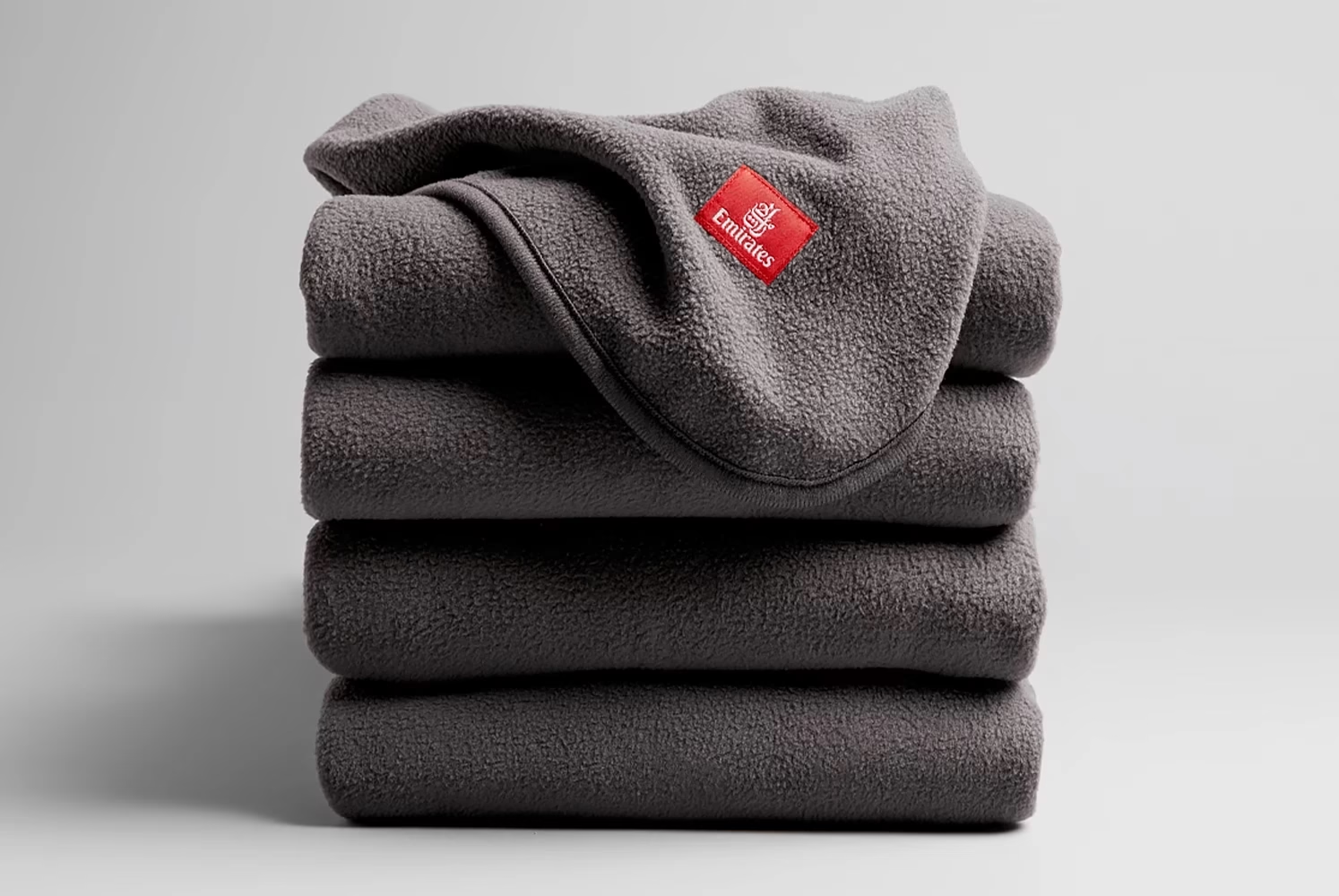
Flight companies are looking at passenger comfort in new ways. The normal fleece cover inside a seat pocket now tells a bigger green story. The flying sector faces a strong push to reduce trash. They need to show better eco-friendly habits. Therefore, they are choosing recycled polyester blankets. This material is recycled polyester created from old plastic bottles. The choice makes sense and sends a strong message. It shows good care for the earth. At the same time, it keeps travelers warm and happy.
What Makes rPET Different from Conventional Polyester?
Normal polyester begins in oil plants. It comes from fresh oil materials. However, rPET starts in a very different place. It begins in the waste bin. Workers make it by turning used plastic bottles into good fabric threads. These new threads match fresh polyester well. They are just as soft and tough. The real difference is about saving carbon and reducing trash. It is not about how the fabric feels.
Making rPET can lower harmful air gases by nearly half. This is compared to normal polyester making. Every ton of reused thread stops thousands of bottles from going into trash dumps or seas. Even so, the finished yarn acts almost the same way when workers weave or knit it. It spins very smoothly. It takes color very evenly. Also, it gives the exact warmth travelers want during long trips.
The Step-by-Step rPET Production Process in Boutique Mills
Changing thrown-away bottles into airplane cloth needs great care. It is not just about making huge amounts. Special small factories handle little groups of materials. They use very strict quality checks. This strict focus makes sure every single thread reaches high flight safety standards for cleanliness.
Stage 1: Collection and Sorting of Plastic Bottles
The work starts at approved waste centers. Here, workers gather clear PET bottles. They group them carefully by color and plastic type. Being clear is very important. Even a tiny bit of green plastic can make the final thread look dull. Proper grouping also decides the physical strength of the fabric later.
This happens because mixed plastics melt in an uneven way when pushed through machines. Quality check workers look at the arriving bundles closely. They use their eyes and special light scanners. These tools help find dirt or wrong plastics. Such bad parts could hurt the thread spinning process later.
Stage 2: Deep Cleaning and Sterilization — How Is Hygiene Ensured?
Being clean is the most vital part of making good cloth here. The bottles go through many hot washing steps. Workers use earth-friendly soaps. These soaps remove paper tags, sticky glues, and leftover drinks or oils.
After the wash, special cleaning rooms treat the plastic bits. They use hot steam or light rays. This step follows global cloth safety rules. It ensures the fabrics are safe to touch skin directly. This stage reassures buyers concerned about hygiene—especially airlines handling thousands of rPET blankets per day under tight turnaround schedules.
Stage 3: Crushing and Pelletizing — Turning Waste into Raw Material
After deep cleaning, machines cut the bottles into even pieces. These pieces are about the size of corn seeds. The little pieces then melt under careful heat. Next, machines push them out into small round shapes. People call these small items rPET chips. They are the actual base material for the new threads.
Every group of chips goes through thickness tests. This ensures the plastic parts hold together well. Good holding power affects how strong the thread will be. Workers also check the colors with special light tools. This careful check means future coloring will stay steady during all making steps.
Stage 4: Spinning the Recycled Polyester Fiber
Modern mills rely on continuous filament extrusion systems similar to those used for virgin polyester but tuned for recycled input variability.
Advanced Extrusion Techniques in Modern Mills
The pellets melt again inside precision controlled extruders before passing through spinnerets—metal plates punctured with microscopic holes—to form filaments thinner than human hair.
Cooling air jets solidify these filaments instantly while take up rollers align them into bundles ready for drawing. Uniform cooling ensures even fiber diameter; any deviation here would later cause uneven fabric texture noticeable even at cruising altitude lighting conditions.
Quality Parameters During Fiber Formation
During spinning, sensors monitor moisture levels (too much causes brittleness) as well as tensile strength and elongation ratios critical for weaving stability later on.
Stage 5: Weaving or Knitting — Crafting the In-flight Blanket Fabric
After spinning comes artistry—the transformation from technical filament into tactile comfort fit for an aircraft cabin.
How Are rPET Fibers Turned into Soft Textiles?
Fibers are blended and carded into smooth webs before being woven or knitted depending on desired airline blanket style. Knitted structures yield stretchier fabrics suited for economy class throws; woven ones deliver denser warmth preferred by premium cabins. Specialized looms maintain tight tension tolerances so that fabric density remains uniform across wide widths required by airline specifications.
Finishing Techniques That Define Premium Airline Blankets
Finishing gives personality to otherwise plain cloth. Brushing machines lift surface fibers delicately to create plush softness without excessive pilling—a key requirement since blankets endure repeated industrial laundering cycles between flights. Heat setting follows, locking dimensions permanently so blankets retain shape even after dozens of washes at high temperature.
Meeting Buyer Expectations: Clean, Comfortable, Certified Products
The journey from bottle to blanket only matters if passengers feel comfort without compromise—and if procurement managers can trace every step back through documentation trails.
Addressing Common Concerns About Recycled Textiles’ Hygiene and Safety
Every bale of collected plastic carries a digital record linking it through cleaning, pelletizing, spinning, weaving, finishing, packaging, and shipment stages—a full traceability chain demanded by global carriers today.
Compliance with OEKO-TEX® Standard 100 confirms absence of harmful chemicals such as formaldehyde or heavy metals often found in non-certified textiles. Such certification not only satisfies auditors but builds confidence among sustainability officers tasked with reporting annual carbon metrics tied to onboard products.
Why Partner with a Professional Recycled Polyester Blanket Supplier Like DOTEX Textile?
The setup of a business decides its trust level just as much as its tools do. Companies like DOTEX Textile run fully connected factory lines. They handle everything from making the plastic bits to the last packing stage. This setup gives them total control. They can watch the quality closely. They can also manage shipping times well. This control is very important for big airline deals.
Special design choices go far beyond just picking colors. Weight changes can adjust the warmth for different flying routes. Also, weaving styles can show a flight company’s brand quietly inside the fabric pattern. Good knowledge really matters in this field. Many years focused on rPET airline blankets production bring great results. This deep focus makes DOTEX Textile a highly trusted recycled polyester blanket supplier. They are well known in worldwide markets. In these markets, green records now drive buying choices just as hard as prices used to.
FAQ
Q: What percentage of an rPET blanket comes from recycled material?
Typically between 85%–100%, depending on whether trims or stitching threads use virgin components for durability balance.
Q: Do rPET blankets feel different from standard polyester ones?
No significant difference—modern extrusion delivers identical softness and weight profiles comparable to virgin polyester fleece or knit fabrics.
Q: How do airlines verify recycled content claims?
Through third party certifications such as GRS (Global Recycled Standard) combined with supplier traceability reports documenting each manufacturing stage back to bottle source data logs.
Q: Can these blankets be washed repeatedly without losing shape?
Yes; heat setting during finishing ensures dimensional stability even after multiple industrial laundering cycles common in airline operations.