
Что позволяет производителю плюшевых одеял с четырехсторонней эластичностью заявить о готовности к выпуску продукции под собственной торговой маркой?
Команде, занимающейся производством продукции под собственной торговой маркой, нужно больше, чем просто мягкое одеяло. Ей нужна фабрика, способная сохранять одинаковые свойства ткани, оттенок, размер и формат упаковки при повторных заказах. Именно этим производитель плюшевых одеял с четырехсторонней эластичностью отличается от обычного поставщика.
Разработка материалов, утверждение герметичных образцов, эластичные швы, контроль качества в больших объемах и фирменная упаковка — все это влияет на результат.
1. Начните с выбора подходящего эластичного плюшевого материала.
Технические характеристики ткани должны основываться на ее эксплуатационных характеристиках, а не на каком-то одном показателе. Одна только плотность ткани (GSM) мало что говорит о способности ткани восстанавливать форму, о тактильных ощущениях или о поведении после стирки.
Определите соотношение полиэстера и спандекса.
Практичной отправной точкой для многих разработок эластичных плюшевых материалов является соотношение полиэстера и спандекса 95/5. В некоторых проектах содержание спандекса варьируется в диапазоне 5–8%, если требуется большая эластичность или способность восстанавливать форму.
Большее количество спандекса не означает автоматически лучшее качество. Слишком высокая эластичность может снизить стабильность при резке и увеличить деформацию краев. Соотношение должно соответствовать структуре вязания, плотности ткани (GSM), высоте ворса и назначению изделия.
Укажите больше, чем GSM
В технологическом описании материала должны быть указаны следующие параметры: плотность ткани (GSM), высота ворса, плотность ворса, структура основы или трикотажного полотна, направление растяжения, способность к восстановлению после растяжения, а также структура плюша с одной или двух сторон.
Для тактильных ощущений также необходим эталон. «Мягкий» — слишком расплывчатое определение. Лучше использовать запечатанный образец. Две ткани могут иметь одинаковую плотность (GSM) и при этом ощущаться по-разному. Это особенно заметно на разных тканях. конструкции флисовых одеялгде аналогичные полиэстерные материалы могут иметь совершенно разные характеристики ворса и поверхности.
2. Утвердите и опечатайте образец перед началом серийного производства.
На этапе отбора проб следует проводить дорогостоящие корректировки. После того, как основная масса ткани связана и окрашена, изменение цвета, эффекта ворса или целевого показателя эластичности становится более медленным и дорогостоящим процессом.
Пример контрольного списка для утверждения
В листе утверждения должны быть зафиксированы следующие параметры: цветовая гамма Pantone или аналогичный цвет, рисунок, окончательные размеры, плотность (GSM), эластичность и способность восстанавливать форму, мягкость на ощупь, внешний вид ворса, обработка швов, расположение этикетки и концепция упаковки.
Один запечатанный образец должен остаться у покупателя, а другой — у завода. Качество серийного производства затем оценивается по материальным показателям, а не по комментариям, разбросанным по переписке по электронной почте.
Дизайн и отделка должны быть согласованы на одном этапе. Неправильно расположенная тканевая этикетка все еще может стать поводом для жалобы со стороны розничного продавца.
3. Как следует контролировать процесс производства эластичных плюшевых одеял?
Эластичный плюш легко деформируется. Натяжение ткани, температура и направление раскроя имеют большее значение, чем для жестких изделий, что делает фабричные условия более сложными. возможности производства одеял актуально на этапе оценки поставщиков.
Фиксация ткани и стабилизация размеров
В соответствии с утвержденной производственной рецептурой, термофиксация проводится при температуре 190 °C, после чего выполняется предварительная усадка и выравнивание ткани перед раскроем. Цель – обеспечение структурной стабильности, а не внешнего вида.
Перед раскроем следует проверить ширину, перекос и выравнивание уточных нитей. Ткань, поступающая на стол под неравномерным натяжением, может выглядеть ровной в сложенном виде и скручиваться после расслабления.
Раскрой и шитье, совместимое с эластичными тканями
Эластичную ткань следует расправлять, не натягивая. Точность раскроя зависит от степени расслабления ткани, правильного направления и контролируемой высоты слоя.
При шитье можно использовать трехниточную пятиниточную технику или высокоэластичный оверлок в зависимости от конструкции края. Натяжение нити должно соответствовать ткани. Слишком сильное натяжение приведет к образованию складок по краю. Слишком слабое натяжение приведет к расхождению швов при растяжении.
При беглом визуальном осмотре это можно пропустить. Если растянуть край, дефект станет виден.
Плюшевая отделка
После сшивания, обрезки, удаления свободных волокон, вакуумной очистки и антистатической обработки ворс остается равномерным, а количество ворса в розничной упаковке уменьшается.
После сжатия также следует проверить способность одеяла восстанавливать свою форму. Одеяло, остающееся плоским после распаковки, создает неправильное впечатление, даже если его измеренная плотность (GSM) соответствует действительности.
4. Что следует проверить в ходе контроля качества при производстве плюшевого одеяла, растягивающегося в четырех направлениях?
Контроль качества готовой продукции должен сравнивать отгруженную партию с утвержденным образцом и заданными допусками. Одной лишь визуальной проверки недостаточно.
Растяжение и размерные характеристики
Проверьте процент растяжения, восстановление после растяжения, допуск на готовый размер, усадку после стирки и загибание краев.
Восстановление формы так же важно, как и её растяжение. Одеяло может легко растянуться и всё равно порваться, если оно останется деформированным после снятия нагрузки. Размеры следует измерять после расслабления.
Внешний вид и долговечность
Различия в цвете, линька, однородность ворса, качество швов, стойкость цвета при стирке и восстановление формы ворса требуют регулярных проверок.
Распространенной проблемой является несоответствие цвета между партиями красителя. При освещении склада разница может казаться незначительной; при освещении в розничном магазине два одеяла на одной полке могут выглядеть совершенно разными.
Стабильность от партии к партии
Покупатели, приобретающие продукцию под собственной торговой маркой, обычно больше заинтересованы во втором и третьем заказе, чем в первом. Повторные заказы зависят от того, насколько плотность ткани, эластичность, оттенок, тактильные ощущения и способ упаковки соответствуют утвержденным стандартам.
Рулоны, полученные методом массовой сепарации, следует сравнивать с запечатанным образцом и друг с другом. Партии, выходящие за пределы допустимого диапазона, следует изолировать перед сшиванием.
5. Доставка товаров под собственной торговой маркой должна включать в себя не только плед.
Готовое одеяло — это лишь одна часть заказа, готового к розничной продаже. Этикетки, бирки, штрихкоды и информация на упаковке являются частью спецификации продукта.
Параметры настройки
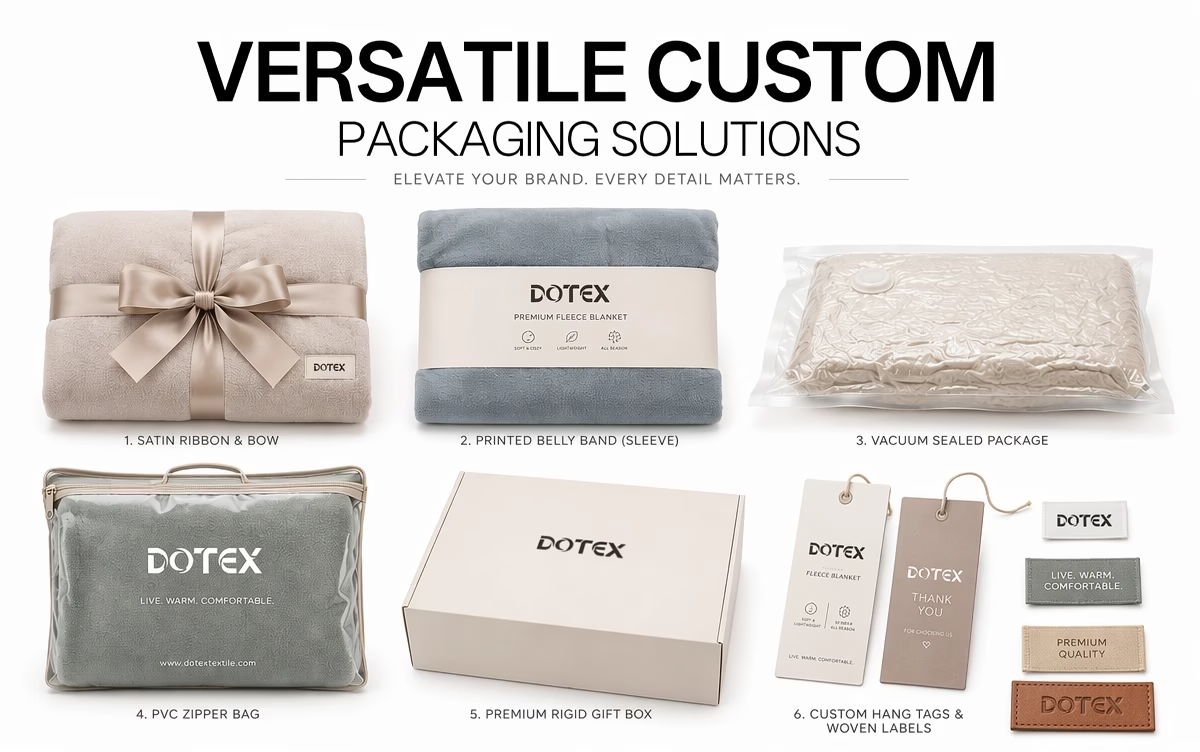
Эти параметры настройки могут применяться к различным устройствам. плед на заказ Программы зависят от типа ткани и позиционирования товара в розничной сети. Типичные варианты включают тканые этикетки, этикетки с инструкциями по уходу, бирки, этикетки с артикулом или штрихкодом, упаковочные ленты, полиэтиленовые пакеты, подарочные коробки, вкладыши и маркировку картонных коробок на заказ.
Утверждение макета должно происходить до массовой упаковки. Небольшие ошибки в тексте или несоответствие этикетки с инструкциями по уходу могут привести к срыву отправки.
Сжатие и планирование упаковки в картонные коробки
Вакуумное сжатие может уменьшить объем при транспортировке, но коэффициент сжатия следует сбалансировать с восстановлением формы и внешним видом груза после распаковки.
Размеры коробок, количество единиц в коробке и способ укладки следует проверить на реальном пледе и розничной упаковке. Мягкие изделия обладают упругостью. План упаковки, который работает на бумаге, может вести себя иначе на производственной линии.
6. Какую информацию о компании покупатели должны подтвердить перед размещением заказа?
Перед утверждением заказа на поставку необходимо подтвердить минимальный объем заказа (MOQ), сроки изготовления образцов, цикл доработки, производственную мощность, сроки выполнения массового заказа, сроки выполнения заказа в пиковый сезон, метод контроля качества, уровень отбора проб, порядок обработки дефектов и процедуру переиздания или замены. Эти данные должны быть взяты из текущего графика работ завода и проектной документации, а не из типового коммерческого предложения.
Документация тоже имеет значение. Сертификация OEKO-TEX и GRS и соответствующие протоколы испытаний должны быть доступны по запросу.
Для импортеров и производителей товаров собственного производства показательным вопросом является то, что происходит, когда что-то идет не так: изменение оттенка, задержка поставки отделки, неудачный тест на стирку.
Часто задаваемые вопросы для покупателей товаров под собственной торговой маркой
В: Какое оптимальное содержание спандекса для плюшевого одеяла, растягивающегося в четырех направлениях?
Единого оптимального соотношения не существует. Полезным базовым вариантом для разработки является смесь полиэстера и спандекса в соотношении 95/5, в то время как в некоторых структурах используется 5–8% спандекса. Окончательный выбор зависит от упругости, плотности ткани (GSM), структуры вязания, формы ворса и тактильных ощущений.
В: Можно ли персонализировать плюшевое одеяло, растягивающееся в четырех направлениях, с помощью фирменной марки?
Да. Размер, цвет, этикетки, бирки, розничная упаковка и маркировка коробок могут быть разработаны в рамках программы создания собственной торговой марки. Эти детали должны быть утверждены во время отбора образцов.
В: Что должны проверить покупатели, прежде чем одобрить серийное производство?
Проверьте восстановление эластичности, размеры, цвет, тактильные ощущения, линьку, устойчивость к стирке, поведение швов и восстановление ворса. Затем сравните результаты массового производства с герметичным эталонным образцом.
В заключение — выбирайте производителя, способного воспроизвести утвержденное защитное полотно.
Компания DOTEX Textile построена на основе такого повторяющегося процесса разработки и производства. Мы поддерживаем производство одеял по OEM и ODM заказам, используя интегрированную цепочку поставок текстильной продукции, охватывающую производство тканей, окрашивание, отделку, пошив и упаковку. Для компаний, работающих под собственной торговой маркой, лучшим производителем плюшевых одеял с четырехсторонней эластичностью является не фабрика, которая изготовила один впечатляющий образец, а фабрика, которая может воспроизвести утвержденные параметры эластичности, оттенка, размеров, тактильных ощущений, пошива и упаковки в рамках коммерческих заказов.
Обсудите технические характеристики ваших фирменных эластичных полотен с нами. Текстиль DOTEX.