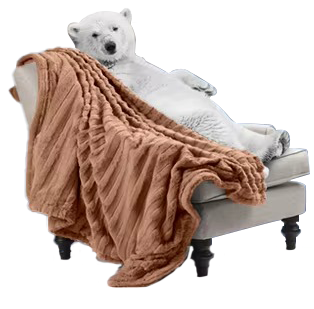

OEM blanket manufacturing is dependable when every approval carries into the next operation. Start with a complete inquiry, fix the material and GSM, approve the Lab Dip and construction sample, then track knitting, dyeing, cutting, sewing, inspection, and packing. At DOTEX Textile — a blanket manufacturer in Shaoxing, China —, a Lab Dip is typically planned in 3–5 working days, a custom sample in 7–10 working days, and standard bulk production in 30–60 days after sample approval and deposit, with the exact lead time depending on order quantity.
What Does OEM Blanket Manufacturing Include?
A complete OEM workflow connects nine checkpoints:
- Inquiry:define use case, quantity, destination, and ship date.
- Material and GSM:choose fiber, construction, weight, size, finish, and trims.
- Lab Dip:approve color against the reference standard.
- Custom sample:confirm construction, dimensions, handfeel, branding, and packaging.
- Knitting or weaving:make greige fabric to the approved construction.
- Dyeing and finishing:match the lot, then set width, handle, and appearance.
- Cutting and sewing:convert fabric into panels, edges, labels, and blankets.
- Inspection:verify the product against the sample and inspection plan.
- Packaging:pack to the agreed ratio, marks, and documents.
This is why a complete OEM fleece blanket production route is more useful to a sourcing team than a standalone machine count.
How Do You Define Materials and GSM After Inquiry?
The inquiry should be a technical brief, not only a product photo. State the end use, fiber blend, construction, target GSM, finished size and tolerance, colors, finish, edge, label, packaging, quantity, destination, and tests. For printed blankets, add artwork dimensions and color references; for retail, add barcode, pack ratio, carton limits, and labeling.
GSM is both a merchandising and production variable. A lighter construction may suit travel use; a heavier one may support a winter range. Changing GSM can affect handfeel, width, dyeing load, freight weight, and sewing. Comparing polar fleece construction and GSM options helps narrow the brief, but the approved fabric code and tolerance remain the purchasing reference.
How Do Lab Dip and Custom Samples Lock the Specification?
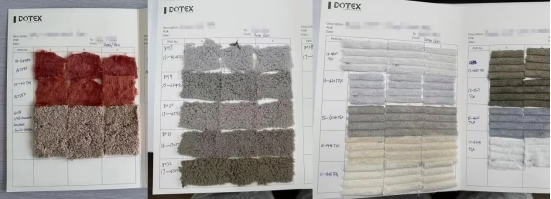
Lab Dip approval and sample approval answer different questions. The Lab Dip checks whether the dye recipe can reproduce the target shade on the selected material. DOTEX Textile plans this step at 3–5 working days when the color reference and fabric information are complete. Record the approved shade, light source, tolerance, fabric code, and date.
The custom sample tests the whole article: construction, dimensions, GSM, edge, labels, accessories, artwork, handfeel, and packaging. DOTEX Textile typically prepares it in 7–10 working days. Compare the sample with the specification line by line and assign a sample code. A later change to yarn, GSM, color, finish, label, or bag should trigger written review and, where necessary, a revised sample.
What Happens During Knitting, Dyeing, Cutting, and Sewing?
After approval, the order moves through linked operations rather than one single “production” step. The sublimation fleece production route is an adjacent example; the same logic applies to solid-dyed, printed, and multi-layer programs.
How Is Greige Fabric Produced?
Knitting or weaving creates greige fabric, the undyed base that must meet the approved construction and GSM. DOTEX Textile reports 30 knitting machines and approximately 3 million kg of annual greige-fabric output. Ask which machine group will run the fabric, how GSM will be checked, and how roll or lot identification will follow it into dyeing.
How Are Dyeing and Finishing Controlled?
Dyeing converts greige fabric to the approved shade; finishing controls width, surface, softness, stability, and appearance. DOTEX Textile reports 35 dyeing vats and five setting machines, with annual dyeing and finishing capacity of 21,600 tonnes. Ask how lots are identified, how shade is compared with the Lab Dip, and what is checked after setting or brushing. A passed Lab Dip does not replace bulk-dyeing inspection.
How Are Cutting and Sewing Matched to the Approved Sample?
Cutting uses the approved dimensions and marker plan to control panel yield, direction, and pattern placement. Sewing fixes seams, hems, bindings, labels, and accessories. Check dimensions, corner squareness, stitch consistency, label position, and thread color against the sample. Each size or pack configuration needs its own measurement and labeling reference.
How Are Quality Inspection and Packaging Controlled?
Final inspection should compare production with the approved sample, not a catalog description. A practical checklist includes:
- finished length, width, GSM, and tolerance;
- color, print registration, handfeel, pilling or surface defects;
- seam strength, skipped stitches, edge finish, and label placement;
- accessories, care labels, barcode, and artwork version;
- agreed inspection standard, sampling level, and defect classification;
- carton quantity, pack ratio, carton marks, dimensions, and packing-list totals.
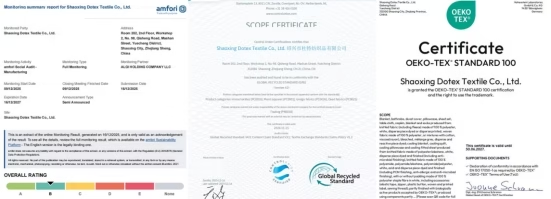
DOTEX Textile’s stated export quality practice includes dual-stage metal detection: each finished product is scanned, followed by a master-carton scan. Treat this as a documented factory practice, while agreeing your own inspection standard and test plan. The factory is BSCI audited, its recycled polyester programs are GRS certified, and its blanket and bedding products carry OEKO-TEX Standard 100 certification; certification scope and current validity periods are available on request. Packaging is part of the OEM specification because incorrect labels, carton counts, or marks can still fail a retail or import program.
Can the Factory Support 8 Million Pieces a Year?
Capacity figures answer different questions, so do not add them as if they were the same unit.
| DOTEX Reference | What It Measures | How a Buyer Should Use It |
| 30 knitting machines | Greige-fabric equipment | Check fabric construction, GSM allocation, and schedule availability |
| Approximately 3 million kg/year | Annual greige-fabric output | Compare the base-fabric demand of the program |
| 35 dyeing vats and 5 setting machines | Dyeing and finishing resources | Confirm color count, finish, and peak-season loading |
| 21,600 tonnes/year | Annual dyeing and finishing capacity | Review dyeing/finishing scale separately from knitting kilograms |
| Peak output: about 30,000 blankets/day and Actual output: 8 million/year | Finished blanket reference output | Validate product mix, quantity, and reserved production window |
DOTEX Textile’s standard bulk-production reference is 30–60 days after sample approval and deposit receipt, with the exact lead time depending on order quantity. It is a planning baseline, not a promise for every SKU. For OEM blanket manufacturing, the schedule depends on fabric route, colors, size mix, trims, packaging, quantity, and booked load. The DOTEX Textile factory and compliance overview supports initial qualification; the quotation should include an order-specific capacity check.
Часто задаваемые вопросы
These questions help procurement teams test sample and capacity assumptions.
How Long Does a Custom Blanket Sample Take?
DOTEX Textile typically plans 7–10 working days. Confirm material availability, artwork completeness, and feedback timing before fixing the review date.
Is Lab Dip Approval the Same As Sample Approval?
No. Lab Dip approval confirms the color direction; sample approval confirms construction, dimensions, trims, handfeel, branding, and packaging.
Can GSM Change After the Lab Dip?
It can, but a GSM or yarn change may alter handfeel, width, dyeing load, and cost. Treat it as a specification change and reapprove.
What Does 8 Million Pieces a Year Mean for My Order?
It is an annual reference, not a reserved slot. The 30,000 blankets per day figure represents DOTEX Textile’s peak daily capacity, while 8 million blankets per year represents its standard annual output. Confirm product mix, quantity, production window, and other booked orders.
What Is the Difference Between OEM and ODM Blanket Production?
OEM means you provide the full specification — material, GSM, size, colors, branding, and packaging — and DOTEX Textile manufactures to it. ODM means DOTEX Textile’s in-house design team of four designers proposes the product, and you apply your brand. Many programs start as OEM and move to ODM for the next season.
What Is the Minimum Order Quantity for Custom Blankets?
MOQ depends on construction, GSM, color count, finish, and packaging. State your target quantity by SKU in the RFQ; DOTEX Textile confirms the MOQ and unit price together with the material route and capacity check before the deposit.
What Should an OEM Blanket RFQ Include?
Include construction, fiber blend, GSM, size, colors, artwork, labels, packaging, quantity, destination, testing, inspection standard, and target ship date.
How Should Buyers Start an OEM Blanket Order?
Send one controlled RFQ containing:
- product drawings or reference photos and the intended application;
- fiber blend, construction, GSM, finished dimensions, tolerances, and colors;
- Lab Dip reference, artwork, labels, trims, and packaging artwork;
- quantity by SKU, destination, required tests, inspection standard, and target ship date.
Ask the factory to return the material route, Lab Dip timing, sample timing, bulk lead-time assumption, capacity allocation, inspection plan, and packing details. This creates a shared baseline before a deposit. To start OEM blanket manufacturing with DOTEX Textile, submit the finished RFQ specification and request confirmation against the product mix and delivery window.