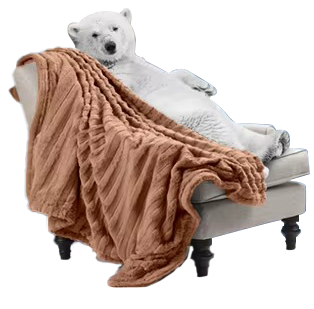

A vertically integrated blanket mill can reduce quality drift and delivery risk by coordinating fabric production, dyeing, finishing and sewing within one manufacturing organization. Fewer external handoffs make it easier to keep specifications, corrective actions and schedules aligned, provided the mill applies consistent controls and allocates capacity to the order. Retail buyers should test this capability against repeat orders, where shade, finished weight and handfeel must remain aligned with the approved standard. Review DOTEX’s owned knitting and dyeing facilities and request a sample and production-line assessment before approving a bulk program.
For retail buyers and home-textile brands, the real test comes after sample approval: whether replenishment orders retain the same shade, weight and handfeel while meeting the next delivery window.
Key Takeaways
Integrated production reduces handoffs, but repeatability still depends on documented specifications, traceability and capacity allocation.
Compare every replenishment with the approved master sample and agreed tolerances for shade, finished GSM, dimensions and handfeel.
Evaluate knitting, dyeing, finishing and sewing capacity together with the dates and logistics behind your required arrival window.
How Does Factory Control Reduce Blanket Quality Drift?
Quality drift is the gradual movement away from an approved specification across production batches or repeat orders. A blanket may become lighter, feel less dense or look slightly different beside earlier stock, even when individual changes seem small.
Identify Where Batch Variation Begins
In fleece blanket production, variation can begin with yarn or knit construction, continue through dyeing, and change again during brushing or heat setting. Separate subcontractors create more points where specifications and corrective instructions must be transferred.
Keep Repeat Orders Aligned with the Approved Standard
DOTEX’s in-house control across knitting, dyeing, finishing and sewing gives the production team direct access to the operations behind a mismatch. Repeatability still requires an approved master sample and a written specification. Set product-specific acceptance limits before production: finished GSM and dimensional tolerances, an agreed method for assessing shade difference, and a clear standard for handfeel. Record fabric rolls, dye lots, inspection results and finished cartons so a deviation can be traced to its production stage. Do not use a generic tolerance in place of limits agreed for the product and buyer.
Compare replenishment against the original approved standard. Using only the previous shipment as the reference can allow small successive changes to accumulate. Require written approval before changing yarn, construction or finishing settings that affect the agreed product.
Which Factory Capacities Matter for Bulk Blanket Sourcing?
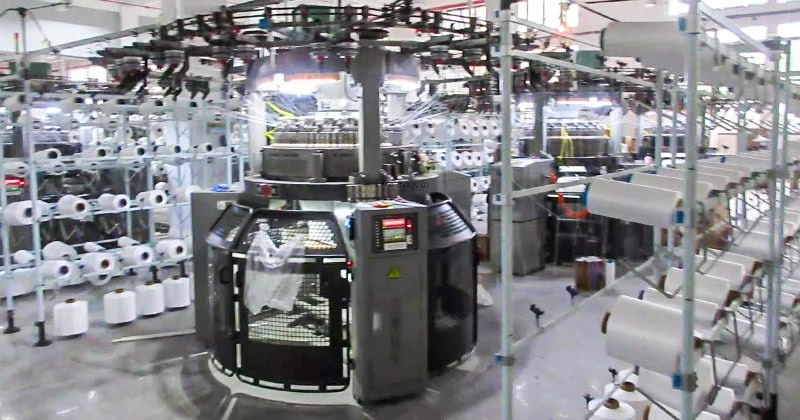
At DOTEX Textile, our owned manufacturing operations connect three stages that buyers should evaluate together. This production route supports programs such as wholesale throw blankets and functional cooling blankets.
|
Production Stage |
DOTEX Facilities and Capacity |
Procurement Relevance |
|---|---|---|
|
Weft knitting |
30 weft knitting machines; 3,000,000 kg of greige fabric annually |
Control over the fabric base and its production allocation |
|
Dyeing and finishing |
35 company-operated dye vats and 5 fabric setting machines; 21,600 tonnes annually |
Direct coordination of shade processing, finishing and batch scheduling |
|
Cutting and sewing |
Two sewing factories with 70 industrial sewing machines and 2 AI-assisted cutting and sewing lines; 30,000 blankets daily and 8,000,000 annually |
Conversion capacity for approved fabric, edges, labels and finished orders |
These figures describe different operations. Knitting kilograms, dyeing tonnes and finished blanket quantities cannot be added into one capacity total. The larger dyeing capacity also does not establish how much fabric from your specific order can move through every stage.
Ask which facilities will run your construction, how color and size mixes affect loading, and what capacity is available during your required window. Installed equipment becomes useful purchasing evidence when connected to a feasible order plan.
DOTEX holds OEKO-TEX STANDARD 100, GRS, and BSCI certifications. Confirm which certificate or audit applies to the product and production site, and request current validity details and supporting documents during supplier qualification. Certification status does not replace order-specific quality controls.
How Does Integrated Scheduling Reduce Blanket Delivery Delays?
Reliable delivery requires coordination inside the mill and a schedule that extends to the buyer’s destination.
Coordinate Production Queues and Recovery Capacity
A late dye lot can leave a sewing line waiting; a shade correction can miss a finishing slot. When separate businesses control each queue, recovering the schedule requires coordination across several production commitments.
An integrated mill can coordinate those decisions within its own operations. Dyeing, setting, cutting and sewing can be planned around the same order priorities, with problems escalated directly to the responsible team.
Connect Factory Milestones to the Arrival Window
For a seasonal retail launch, request dated milestones for fabric readiness, bulk shade approval, finishing, sewing, inspection and dispatch. Identify which milestone has the least scheduling flexibility and what recovery capacity is available if it slips.
Keep the factory completion date separate from the required arrival date. Freight bookings, customs and distribution-center appointments still need time. A useful delivery commitment ties the production plan to the agreed shipping terms and logistics schedule.
A concise sourcing brief should specify construction, target GSM, color reference or code, dimensions, quantity by SKU, sample and bulk approval dates, split-shipment quantities, packaging and testing requirements. Include the target factory completion date and required destination arrival window so the mill can assess production and freight separately.
What Evidence Supports Consistent Blanket Supply?
Evaluate both the continuity of a specific customer program and performance across the supplier’s broader order history.
Assess Repeatability through the Saudia Program
Long-running airline blanket programs provide a relevant reference for buyers managing repeat specifications at scale. DOTEX Textile supplied 18,000,000 blankets to Saudi Arabian Airlines, Saudia, over nine consecutive years, with zero quality deviation reported for the program.
For retail procurement, the relevant lesson is continuity: assess whether a supplier can maintain an approved product across repeated production cycles, beyond the initial sample and first shipment.
Evaluate Platform Metrics on a Comparable Basis
Our platform performance figures record a 96% on-time delivery rate, a 78% repurchase rate and a buyer rating of 5.0/5.0. Use these indicators alongside program evidence when shortlisting suppliers. Request the reporting period, order coverage and definition of on-time delivery, including whether it refers to factory completion, dispatch or arrival, before comparing the figures with your own scorecard.
What Should Buyers Verify Before Awarding a Bulk Blanket Order?
Connect factory ownership to the order through four checks:
Production route: identify the knitting, dyeing, finishing and sewing facilities, including any outsourced operation.
Batch traceability: request a completed example linking fabric rolls, dye lots, inspection results and finished cartons.
Acceptance criteria: define shade assessment, GSM and dimensional tolerances, relevant wash-performance tests and comparison with the retained master sample.
Capacity allocation: obtain dated milestones, named escalation contacts and a plan for handling rework without losing the shipping window.
This review gives sourcing, quality and logistics teams a shared basis for approving the supplier and monitoring execution.
How Can You Start a Blanket Supply Review with DOTEX Textile?
To evaluate your next blanket program, send us your sourcing brief with construction, GSM, dimensions, colors, quantity by SKU, replenishment forecast, packaging and testing requirements. Include both the target dispatch date and required arrival window.
Ask us to review the production route, available capacity and quality checkpoints against your requirements. Contact DOTEX Textile to request a product catalog and a production-schedule assessment before committing to the program.
FAQ
Does Vertical Integration Include Yarn Spinning?
Scope varies by manufacturer. DOTEX Textile’s facilities described here cover weft knitting, dyeing, finishing and blanket conversion. Qualify yarn sourcing separately, including composition, approved suppliers and the procedure for authorizing substitutions.
Can 30,000 Blankets per Day Determine My Lead Time?
No. Daily factory output does not establish the production time allocated to your order. Your color count, construction, sewing details, existing bookings, inspections and packaging requirements determine the workable schedule.
Does a 96% Delivery Rate Measure Arrival?
Check the metric’s definition. A platform may measure dispatch, carrier handover or another contractual milestone. Confirm the measured event and reporting period before comparing it with your required warehouse arrival date.
Is an Integrated Mill Suitable for Every Blanket Order?
The model is particularly useful for recurring bulk programs with stable specifications. Small mixed orders or specialized constructions may need a different production route. Check setup requirements, minimum quantities and process availability against your actual SKU mix.